A guide to
Louis-Nicolas Clérambault
Paris 1676 — Paris 1749
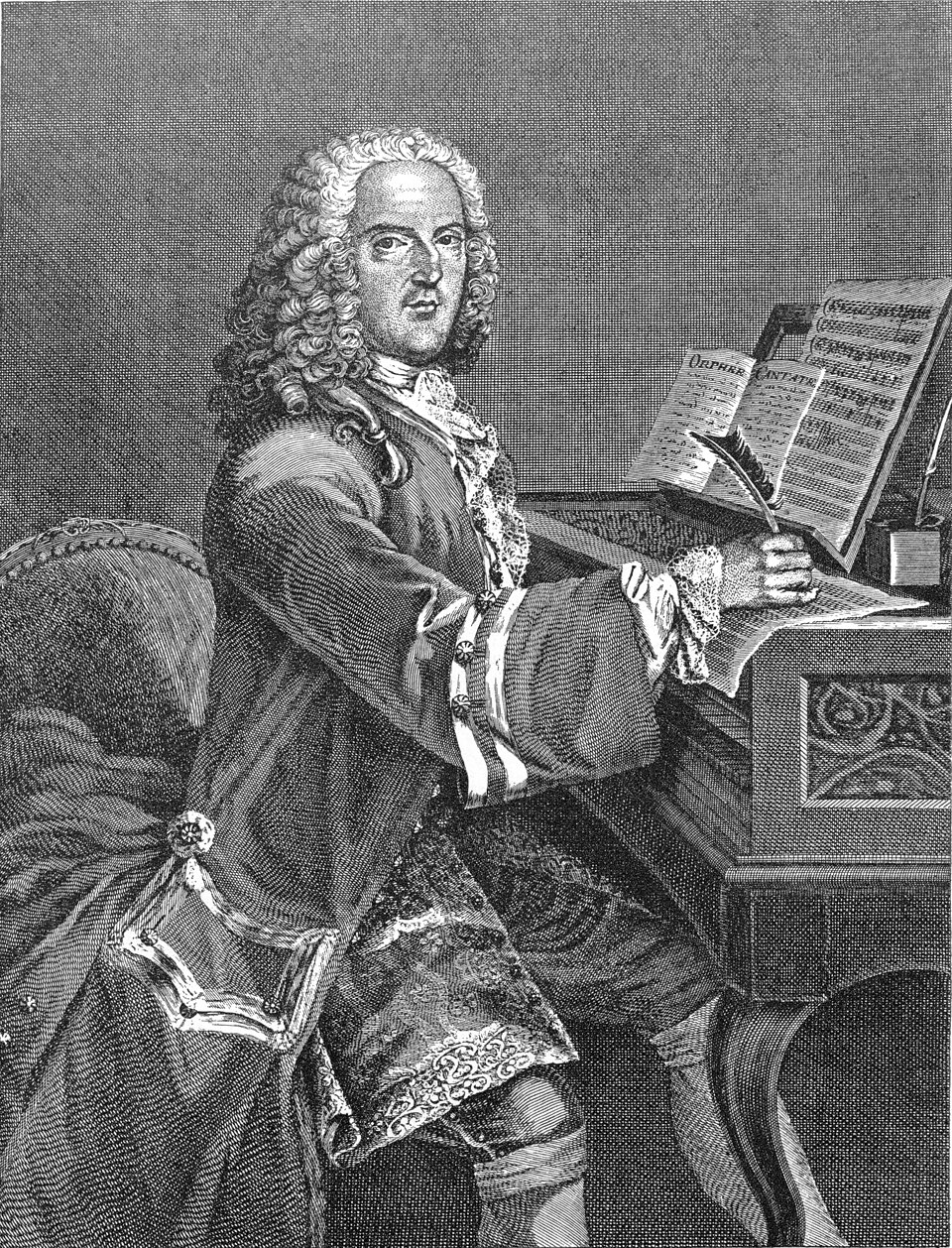
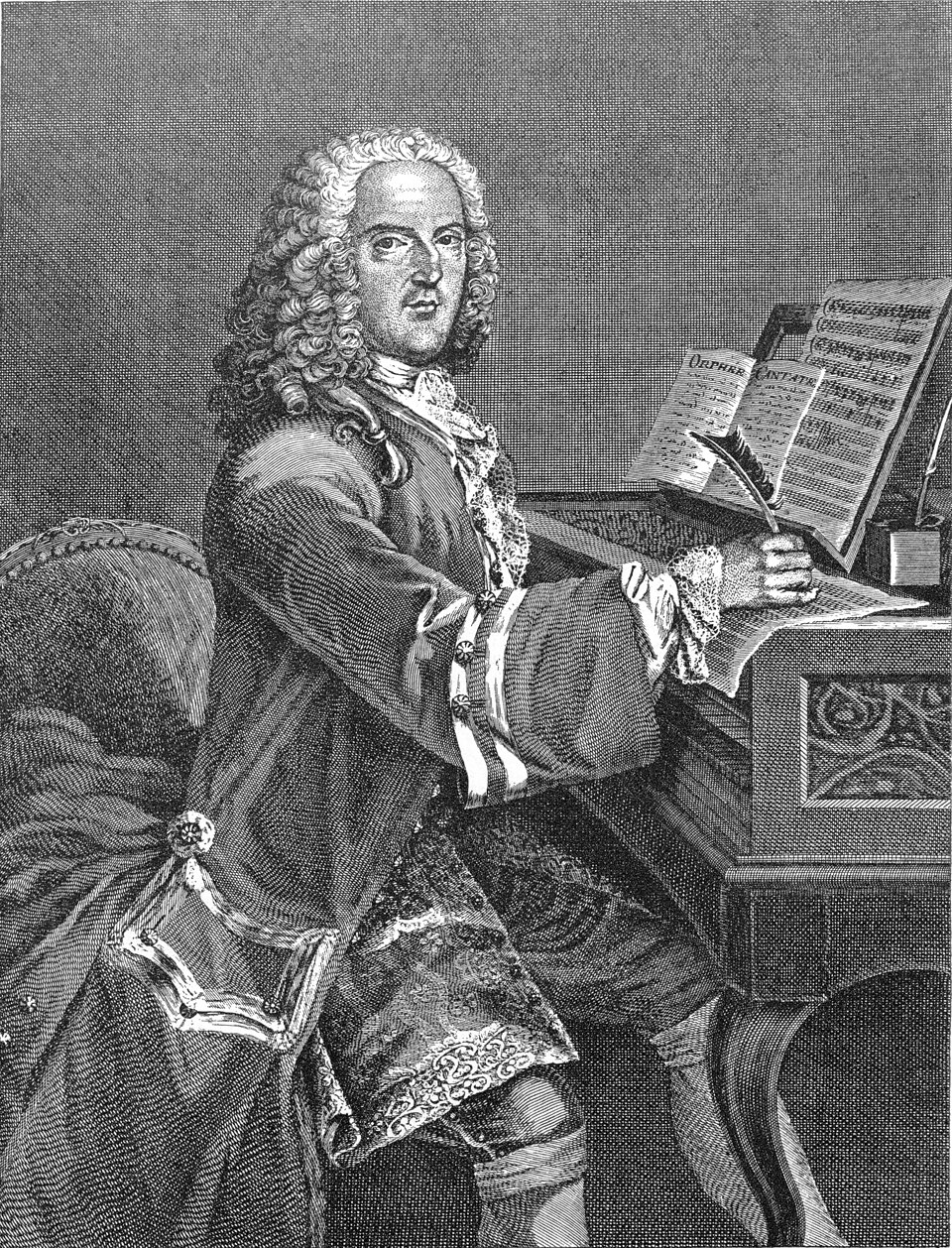
Louis-Nicolas Clérambault was the supreme master of two very different French arts: the secular cantata, which he raised to its national summit, and the organ suite, in which he left a single small book that organists have never stopped playing. Born in Paris on 19 December 1676 into a family of musicians — his father and two of his sons were players too — he spent his whole life in the city, threading the world of the royal court, the great Parisian churches, and the private music of the aristocracy. He died in the same city in 1749, having become one of the defining figures of the music of Louis XIV’s twilight and the Régence that followed.
He learned the organ from André Raison and composition and singing from Jean-Baptiste Moreau, two of the leading teachers of the day. From Raison he inherited not only a craft but, in 1719, an actual post — the organ of the Grands-Jacobins, which he took over on his old master’s death.
The court and the churches
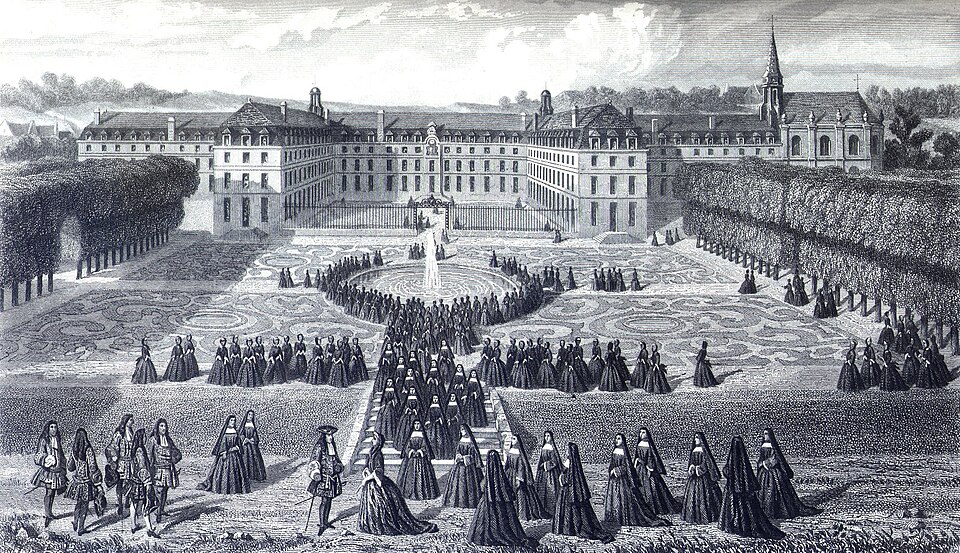
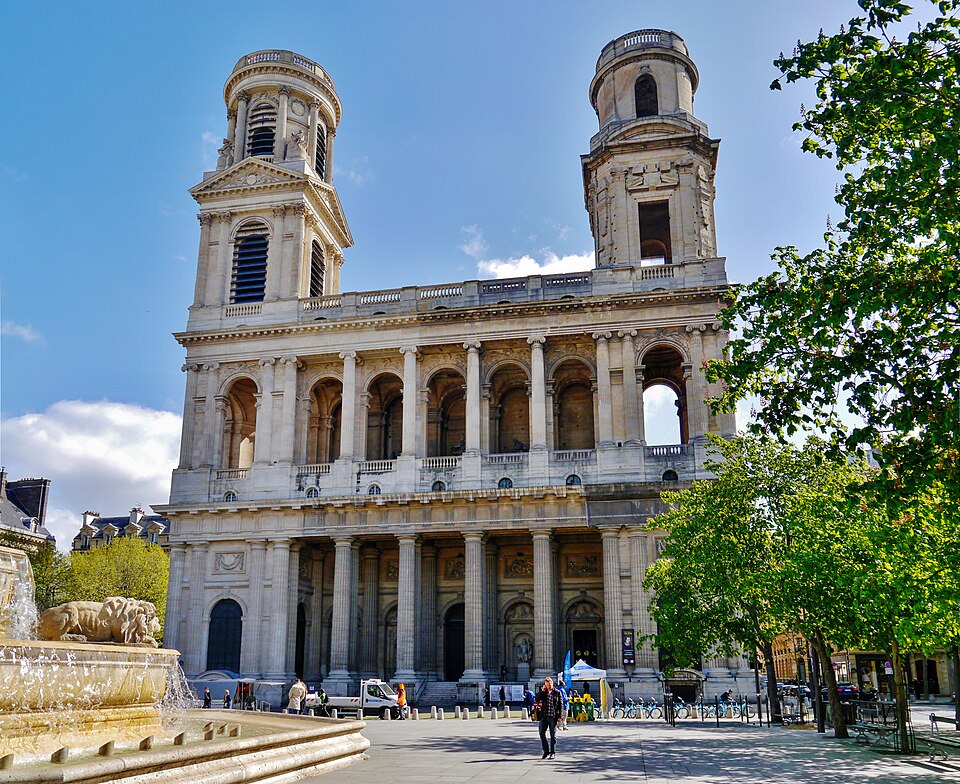
Clérambault’s career was bound up with the king and his most private circle. He entered the service of Madame de Maintenon, Louis XIV’s secret wife, and took charge of the music at the Maison royale de Saint-Cyr, her cherished school for daughters of the impoverished nobility — a post that remained his even after her death in 1719. After the old king died in 1715, Clérambault succeeded the aged Guillaume-Gabriel Nivers at the organ of Saint-Sulpice, then as now one of the grandest organ lofts in Paris. Court, convent, and parish: he stood at the centre of the French musical establishment.
The cantatas
It was as a composer of cantatas that Clérambault was most celebrated in his own day. He wrote more than twenty-five of these Cantates françoises — settings of Greco-Roman myth for one or two voices and a small instrumental ensemble — gathered into five books between 1710 and 1726. The first book opens the form’s golden age, and its third cantata, Orphée, is the most famous French cantata ever written: a compact opera-in-miniature in which the singer becomes Orpheus pleading at the gates of the underworld, the violin and flute weaving around the voice. The same first book holds Médée; Pirame et Tisbé came in the second, of 1713. In these works the French cantata reached a refinement it never surpassed.
The Livre d’orgue
To organists, though, Clérambault is the author of one slim, perfect book: the Premier livre d’orgue of 1710. It contains two suites, one in the first tone and one in the second, and between them they lay out the whole vocabulary of the French Classical organ — each movement named for the registration it demands. There is the grave Grand Plein Jeu, a fugue, a flowing Duo and Trio, a Basse et Dessus de Trompette in dialogue, the celebrated Récits de Cromorne et de Cornet, and at the climax a thundering Dialogue (and, in the second suite, a Caprice) sur les grands jeux. Listen for how each piece is built to show off one specific colour of the instrument — a reed, a flute-stop, the full organ — so that the book doubles as a demonstration of the very sounds it was written for. For its clarity and idiomatic perfection it has become the single most-played French organ book of its century, the piece on which generations of students have learned the French Baroque registrations by heart.
He also left, around 1704, a fine Premier livre de pièces de clavecin — two harpsichord suites opening with an unmeasured prelude — but it is the organ book and the cantatas that secure his place: the man who perfected the French cantata, and who taught the organ how to speak French.