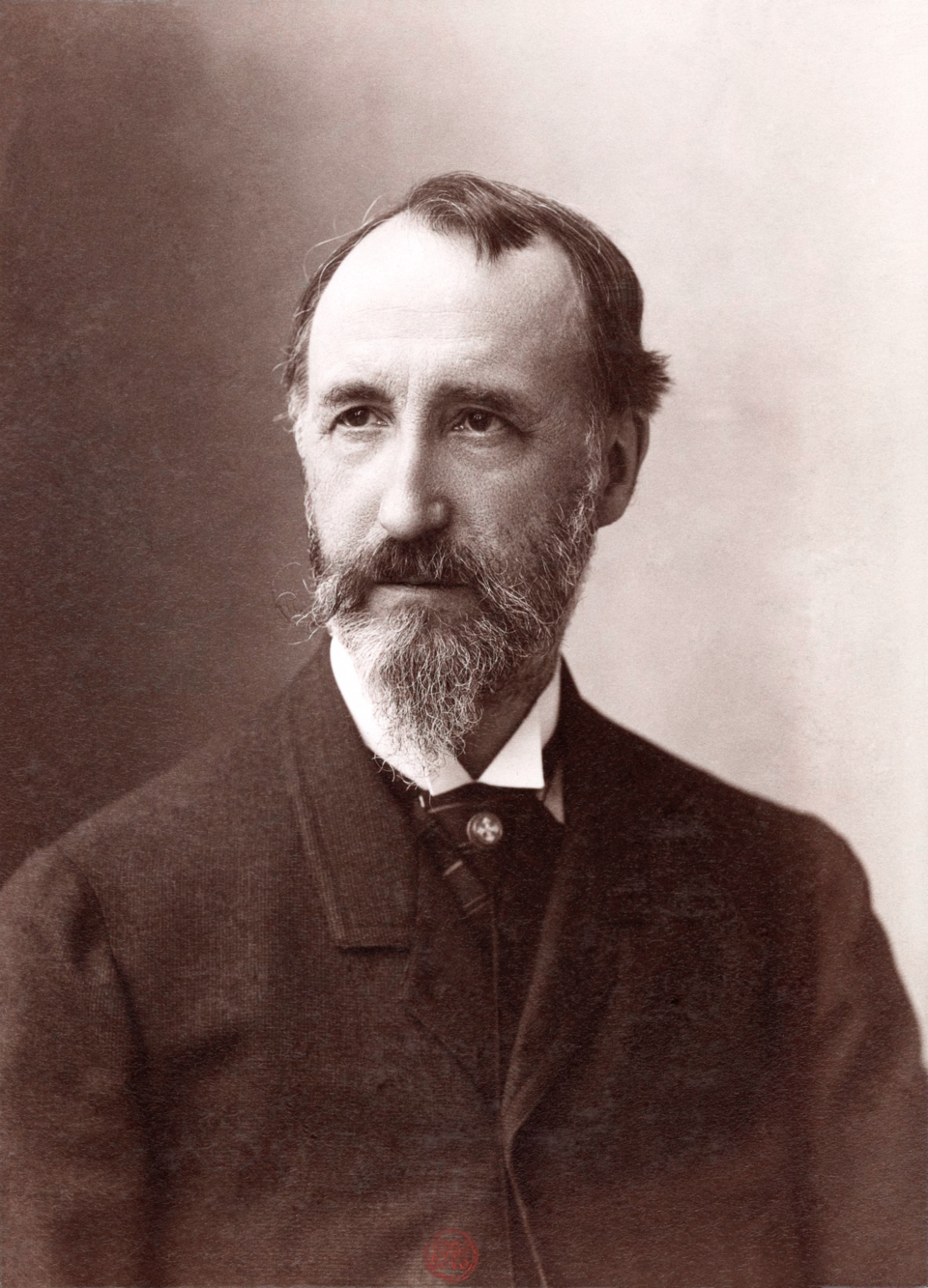
Portrait of Théodore Dubois Historical portrait · sourceHistorical portrait · Wikimedia Commons; image context in the linked biography

A guide to

Théodore Dubois

Rosnay, Marne 1837 — Paris 1924
  1. 1837 Born 24 August in Rosnay, Marne, near Reims, son of a basket maker
  2. 1854 Enters the Paris Conservatoire; studies organ with Benoist, composition with Ambroise Thomas
  3. 1861 Wins the Prix de Rome and leaves for the Villa Medici
  4. 1867 Les sept paroles du Christ first performed at Sainte-Clotilde on Good Friday
  5. 1877 Succeeds Saint-Saëns as organist of La Madeleine
  6. 1896 Appointed director of the Paris Conservatoire
  7. 1905 Resigns the directorship after the Ravel Prix de Rome scandal; Fauré succeeds him
  8. 1924 Dies in Paris, 11 June, aged 86
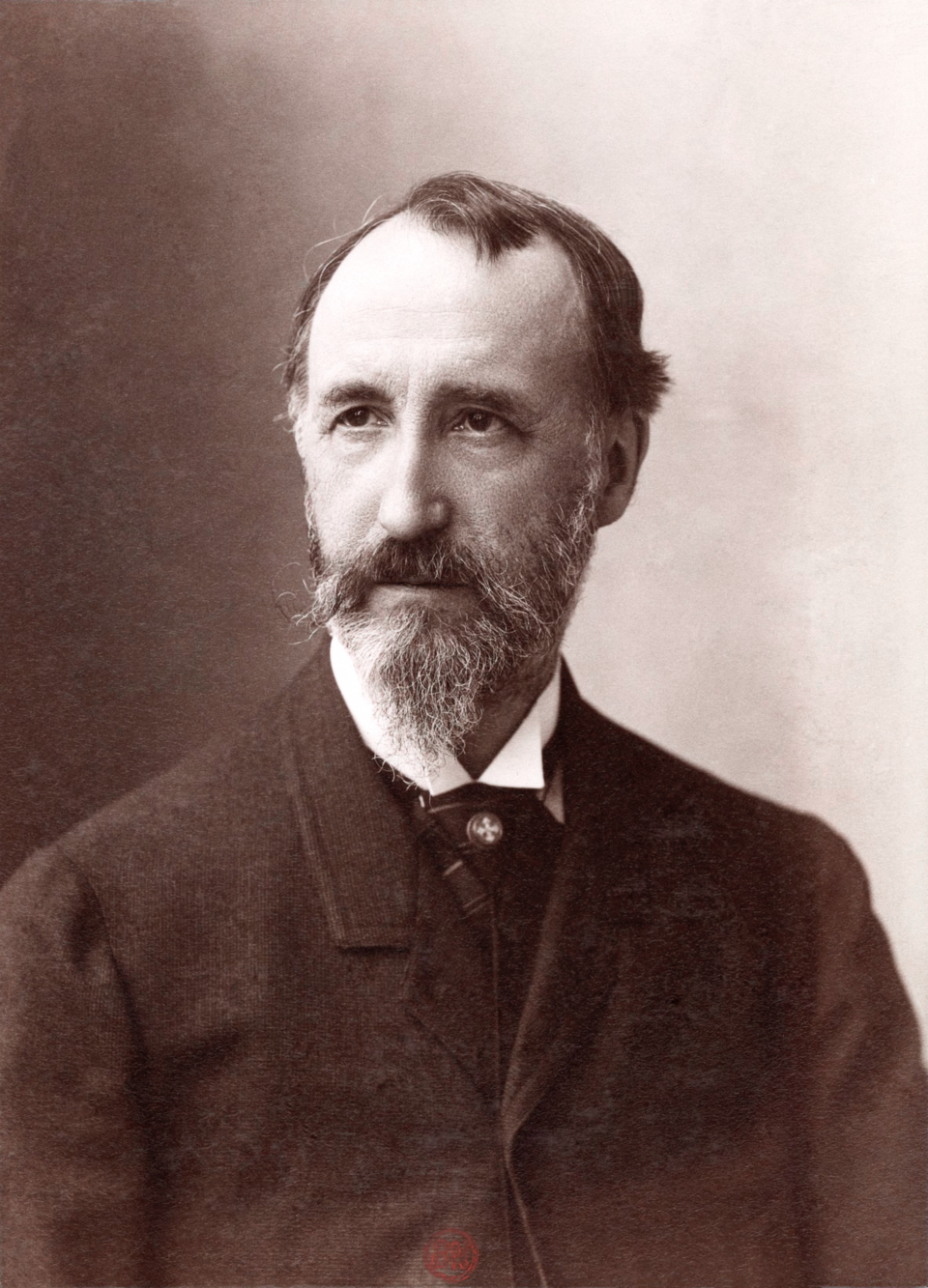
Photographic portrait of Théodore Dubois
Théodore Dubois, photographed by Nadar. Public domain, via Wikimedia Commons.

Clément François Théodore Dubois was, for half a century, one of the most powerful figures in French musical life — Prix de Rome laureate, organist of the grandest church in Paris, professor and finally director of the Conservatoire — and he is remembered today chiefly for a single dazzling organ piece and for the manner of his fall. He was born on 24 August 1837 in Rosnay, a village in the Marne near Reims, the son of a basket maker. A local choirmaster taught him the rudiments; by 1854 he had reached the Paris Conservatoire, where he studied organ under François Benoist and composition under Ambroise Thomas, and in 1861 he carried off the Prix de Rome, the surest credential a young French composer could own.

In Rome he befriended a fellow laureate, Jules Massenet, and on his return he stepped straight into the heart of Parisian church music. He had already been organist at Sainte-Clotilde under César Franck; in 1871 he became choirmaster at the church of La Madeleine, and in 1877 he succeeded Camille Saint-Saëns as its organist — the most prestigious organ loft in the city.


The teacher of a generation
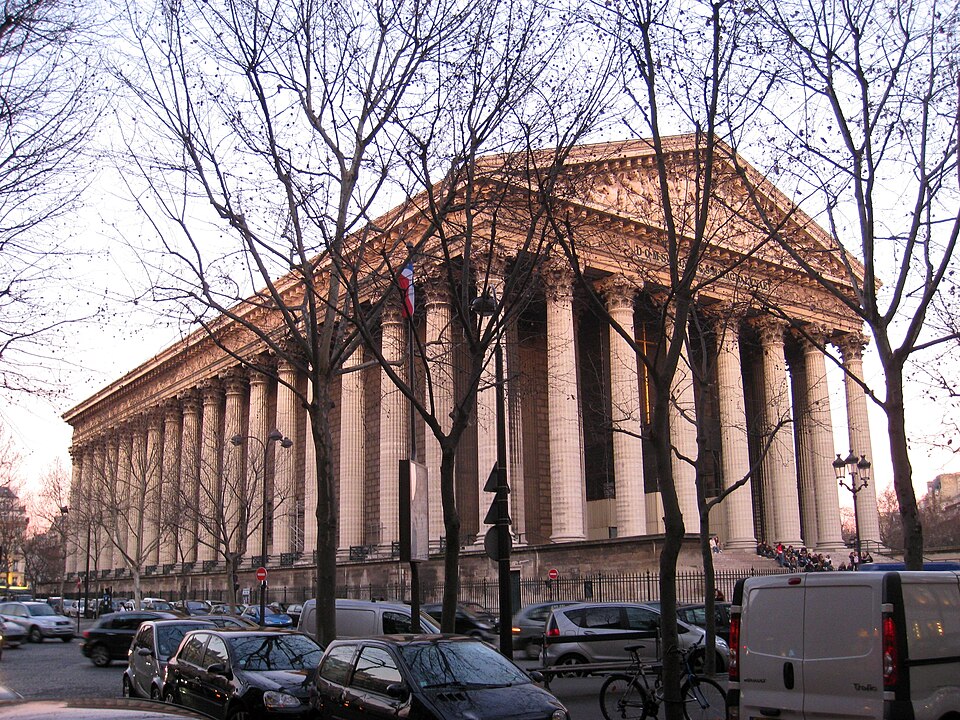
Exterior of the Église de la Madeleine, Paris
The Église de la Madeleine in Paris, where Dubois was choirmaster from 1871 and organist from 1877. Photograph via Wikimedia Commons.

Dubois’s deepest influence ran through the classroom. Appointed professor of harmony at the Conservatoire in 1871, he moved to composition in 1891 and to the directorship in 1896, succeeding his old teacher Thomas. His harmony and counterpoint pupils included Paul Dukas, George Enescu, Albéric Magnard and Florent Schmitt; his Traité de contrepoint et de fugue (1901) and Traité d’harmonie (1921) drilled French students for decades. He was a founding member of the Société nationale de musique (1871) alongside Saint-Saëns, Fauré and Franck, and in 1894 he took Gounod’s chair at the Académie des Beaux-Arts.

His own verdict on the modern music he officially distrusted was, in private, surprisingly generous. After the Paris Parsifal of 1914 he told his colleague Georges Hüe — as Hüe recorded — that no more beautiful music had ever been written, and he was privately fascinated by the harmonies of Debussy: a more open ear than the conservative régime he presided over ever let him show.


The 1905 scandal

Dubois’s career ended in the most public way a French institution can manage. In 1905 the Conservatoire jury repeatedly refused to advance the young Maurice Ravel in the Prix de Rome competition — Ravel, already the composer of Jeux d’eau, was eliminated at the preliminary stage while pupils of a single professor filled the final. The press erupted, the affair reached the newspapers as a national scandal, and Dubois, as director, resigned. The reformer brought in to clean house was Gabriel Fauré — the more forward-looking successor the moment demanded. It is one of music history’s ironies that an able, conscientious musician should be remembered above all for blocking the path of a genius.


What the music is

Dubois was, in the candid phrase of his own posterity, “capable and tasteful, but not strikingly original.” He longed to write operas — Aben-Hamet (1884) was warmly received before its theatre collapsed financially — yet his lasting fame is sacred and instrumental. The oratorio Les sept paroles du Christ (The Seven Last Words of Christ), first heard at Sainte-Clotilde on Good Friday 1867, is still sung in churches every Holy Week.

His organ music is the practical art of a great church musician: graceful, idiomatic, perfectly made. The one piece everyone knows is the Toccata in G, a glittering moto-perpetuo from his 1889 set of pieces for organ or pedal-piano that has outlived almost everything else he wrote and remains a staple of recitals and weddings. Listen for the relentless right-hand figuration over a singing pedal theme — salon brilliance harnessed to the church organ. It is a small, bright monument to a musician who shaped French music far more than his modest reputation suggests.

All works (34)

one row per PDF across every work · semicolon-delimited

Undated works follow in catalogue order.Filter these works →

CatalogTitleInstrumentation
Op7 Chœur et danse de lutins
Open individual scores (1)PDF on IMSLP ↗IMSLP work page ↗
1 PDF Spotify Apple Music
Op10 Scherzo
Open individual scores (1)PDF on IMSLP ↗IMSLP work page ↗
1 PDF Spotify Apple Music
Op11 Bluette-pastorale
Open individual scores (1)PDF on IMSLP ↗IMSLP work page ↗
1 PDF Spotify Apple Music
Op12 Rêverie-prélude
Open individual scores (1)PDF on IMSLP ↗IMSLP work page ↗
1 PDF Spotify Apple Music
Op13 Allegro de bravoure
Open individual scores (1)PDF on IMSLP ↗IMSLP work page ↗
1 PDF Spotify Apple Music
Op18 Scherzo et choral
Open individual scores (1)PDF on IMSLP ↗IMSLP work page ↗
1 PDF Spotify Apple Music
Op19 Divertissement
Open individual scores (1)PDF on IMSLP ↗IMSLP work page ↗
1 PDF Spotify Apple Music
Op20 Intermezzo
Open individual scores (1)PDF on IMSLP ↗IMSLP work page ↗
1 PDF Spotify Apple Music
Op82 2 Pièces caractéristiques
Open individual scores (1)PDF on IMSLP ↗IMSLP work page ↗
1 PDF Spotify Apple Music
10 Esquisses pour piano à quatre mains
Open individual scores (1)PDF on IMSLP ↗IMSLP work page ↗
1 PDF Spotify Apple Music
10 Pièces pour grand orgue
Open individual scores (1)PDF on IMSLP ↗IMSLP work page ↗
1 PDF Spotify Apple Music
10 Pièces pour orgue
Open individual scores (2)PDF on IMSLP ↗IMSLP work page ↗PDF on IMSLP ↗IMSLP work page ↗
MIDI2 PDFs Spotify Apple Music
12 Petites pièces
Open individual scores (3)PDF on IMSLP ↗IMSLP work page ↗PDF on IMSLP ↗IMSLP work page ↗PDF on IMSLP ↗IMSLP work page ↗
3 PDFs Spotify Apple Music
12 Pièces nouvelles pour orgue
Open individual scores (2)PDF on IMSLP ↗IMSLP work page ↗PDF on IMSLP ↗IMSLP work page ↗
MIDI2 PDFs Spotify Apple Music
12 Pièces pour orgue
Open individual scores (4)PDF on IMSLP ↗IMSLP work page ↗PDF on IMSLP ↗IMSLP work page ↗PDF on IMSLP ↗IMSLP work page ↗PDF on IMSLP ↗IMSLP work page ↗
4 PDFs Spotify Apple Music
2 Petites pièces pour grand orgue
Open individual scores (1)PDF on IMSLP ↗IMSLP work page ↗
1 PDF Spotify Apple Music
2 Pièces pour piano
Open individual scores (1)PDF on IMSLP ↗IMSLP work page ↗
1 PDF Spotify Apple Music
20 Pièces nouvelles
Open individual scores (1)PDF on IMSLP ↗IMSLP work page ↗
1 PDF Spotify Apple Music
3 Pièces pour grand orgue
Open individual scores (1)PDF on IMSLP ↗IMSLP work page ↗
1 PDF Spotify Apple Music
7 Pieces for organ
Open individual scores (5)PDF on IMSLP ↗IMSLP work page ↗PDF on IMSLP ↗IMSLP work page ↗PDF on IMSLP ↗IMSLP work page ↗PDF on IMSLP ↗IMSLP work page ↗PDF on IMSLP ↗IMSLP work page ↗
MIDI5 PDFs Spotify Apple Music
Au jardin
Open individual scores (1)PDF on IMSLP ↗IMSLP work page ↗
1 PDF Spotify Apple Music
Au jardin (petite suite)
Open individual scores (1)PDF on IMSLP ↗IMSLP work page ↗
1 PDF Spotify Apple Music
Ave Maria in E-flat major
Open individual scores (1)PDF on IMSLP ↗IMSLP work page ↗
1 PDF Spotify Apple Music
Berceuse pour piano à 4 mains
Open individual scores (1)PDF on IMSLP ↗IMSLP work page ↗
1 PDF Spotify Apple Music
Cantilène nuptiale
Open individual scores (1)PDF on IMSLP ↗IMSLP work page ↗
1 PDF Spotify Apple Music
Chaconne
Open individual scores (1)PDF on IMSLP ↗IMSLP work page ↗
1 PDF Spotify Apple Music
Messe de mariage
Open individual scores (1)PDF on IMSLP ↗IMSLP work page ↗
1 PDF Spotify Apple Music
Ombres et lumières
Open individual scores (1)PDF on IMSLP ↗IMSLP work page ↗
1 PDF Spotify Apple Music
Piano Sonata
Open individual scores (1)PDF on IMSLP ↗IMSLP work page ↗
1 PDF Spotify Apple Music
Poèmes sylvestres
Open individual scores (1)PDF on IMSLP ↗IMSLP work page ↗
1 PDF Spotify Apple Music
Prélude et fugue
Open individual scores (1)PDF on IMSLP ↗IMSLP work page ↗
1 PDF Spotify Apple Music
Scherzetto
Open individual scores (1)PDF on IMSLP ↗IMSLP work page ↗
1 PDF Spotify Apple Music
Valses intimes
Open individual scores (1)PDF on IMSLP ↗IMSLP work page ↗
1 PDF Spotify Apple Music
À l'aventure
Open individual scores (1)PDF on IMSLP ↗IMSLP work page ↗
1 PDF Spotify Apple Music