
A guide to
Joseph Jongen
Liège, Belgium 1873 — Sart-lez-Spa, Belgium 1953
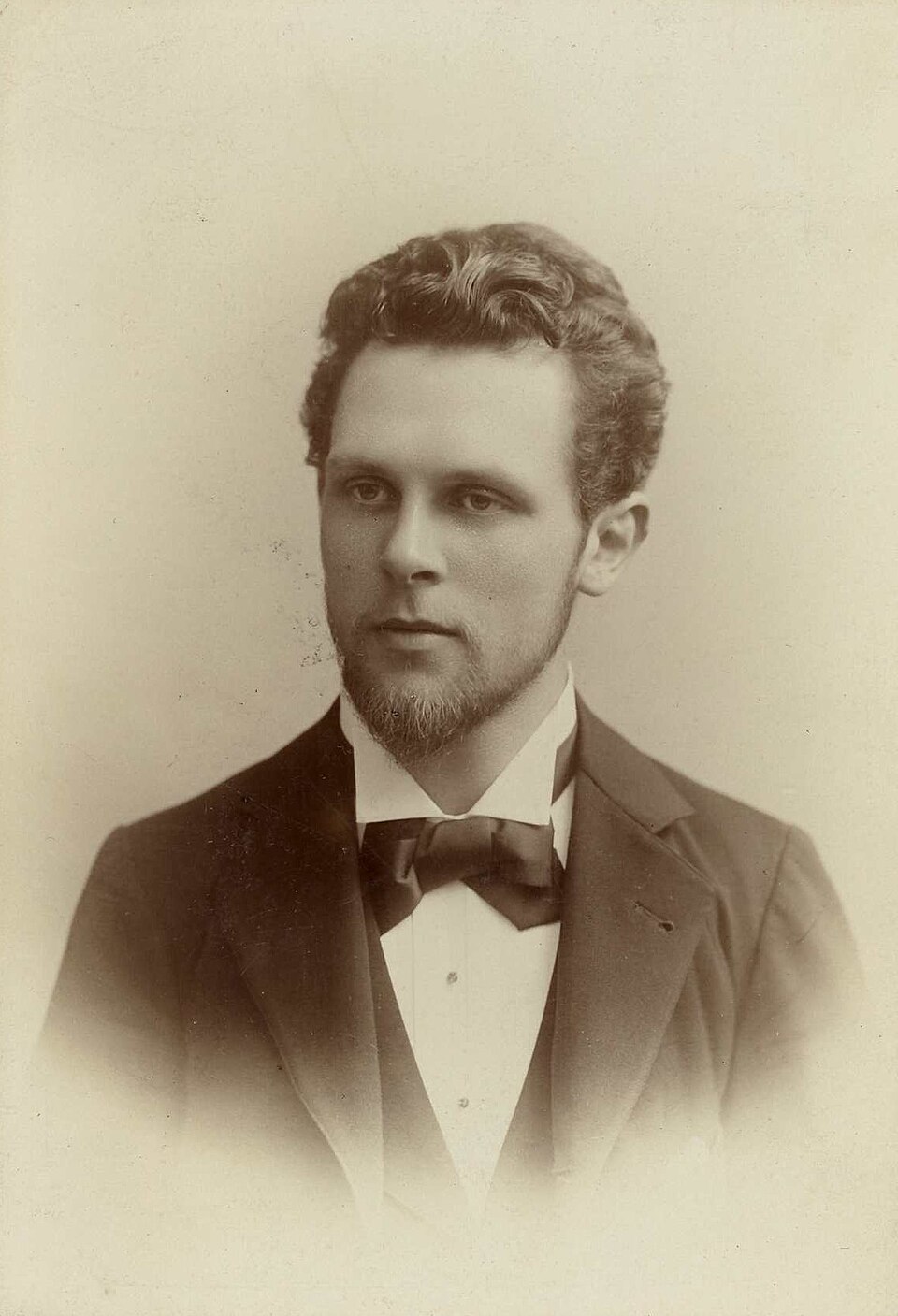
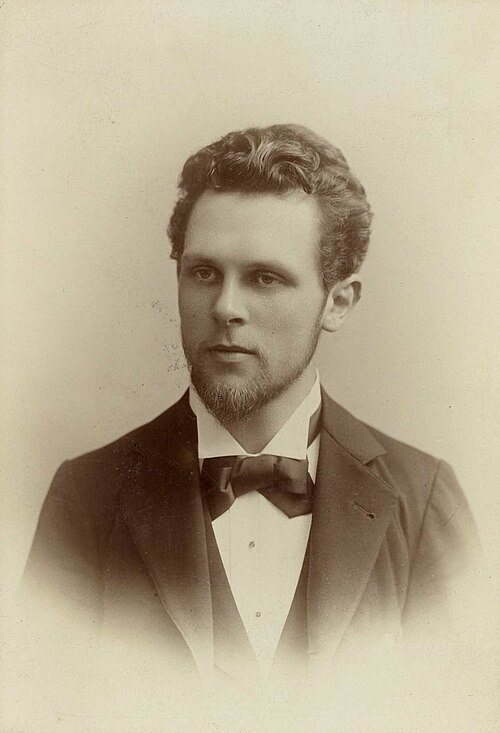
Joseph Jongen was the leading Belgian composer of his generation and one of the finest organ writers of the early twentieth century — a Walloon from Liège who absorbed the language of César Franck and the French school and turned it toward a richer, more colouristic, almost impressionist palette. A child prodigy who entered the Liège Conservatoire at seven and stayed sixteen years, he became in time the director of the Royal Conservatory of Brussels and the composer of what many regard as the single most spectacular work ever written for organ and orchestra. He was also a ruthless self-critic: of more than two hundred and forty numbered works he destroyed enough to leave a catalogue of around a hundred and thirty-seven.
He was born in Liège on 14 December 1873. At the Conservatoire he swept up the honours — a gold medal in piano, first prize in fugue, distinction in piano and organ alike — and in 1897 he crowned his studies by winning the Belgian Prix de Rome, the prize that sent him travelling for four years through Italy, Germany and France, where he met Richard Strauss, Vincent d’Indy and Florent Schmitt. His early music wears the influence of Franck plainly; what he added was a Belgian warmth of harmony and a painter’s ear for instrumental colour.
War, Brussels, and the conservatory
When the First World War broke over Belgium in 1914, Jongen took his family to England, where he made his living in part through a piano quartet he founded in London with the violinist Désiré Defauw and the great violist Lionel Tertis. The exile was productive: his Second String Quartet, Op. 50, was written there in 1916. Returning home after the war, he taught fugue at the Royal Conservatory of Brussels and in 1925 became its director — the post he would hold until 1939, when his own younger brother Léon Jongen succeeded him.
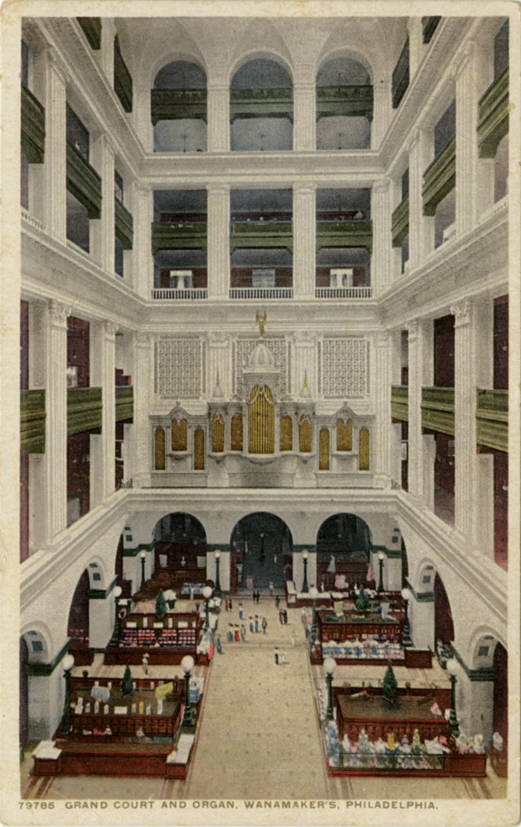
It was at the height of this period, in 1926, that Jongen wrote the work that made his international name: the Symphonie Concertante, Op. 81, for organ and orchestra. It had been commissioned by the Philadelphia merchant Rodman Wanamaker to show off the colossal Wanamaker organ in the Grand Court of his department store — the largest playable pipe organ in the world — with Leopold Stokowski and the Philadelphia Orchestra. Wanamaker’s death in 1928 derailed that plan, and the piece had to wait until 2008 to be played at last in the Grand Court with the organ it was conceived for. It remains, in the consensus of organists, among the greatest works ever composed for organ and orchestra.
The Sonata eroica and the solo organ
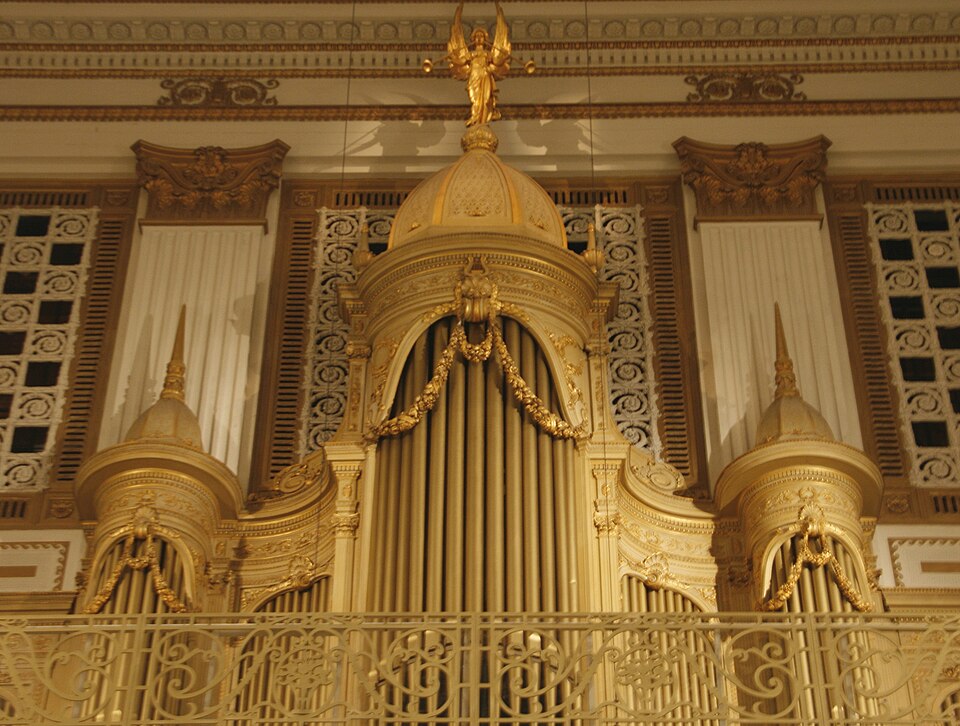
The same symphonic imagination that filled the Symphonie Concertante he poured, four years later, into the organ alone. The Sonata eroica, Op. 94 of 1930 is Jongen’s great solo-organ statement: a single, sweeping movement that takes a noble, heroic theme through a chain of variations to an overwhelming close, the lone instrument made to roar and shimmer like a full orchestra. It has become a cornerstone of the twentieth-century recital — the piece by which most organists know him — and it shows how completely he had mastered the French symphonic organ idiom and bent it to his own broader, more luminous purposes.
For all the fame of these two works, Jongen wrote across every genre — symphonies, concertos for cello, piano and harp, three string quartets, songs — and pruned the result without mercy. Late in life, in 1945, he composed a Mass, Op. 130, for choir, brass and organ, in memory of one of his brothers. He died at Sart-lez-Spa on 12 July 1953, aged seventy-nine, the most honoured Belgian musician of his time and the author of an organ literature — the Sonata eroica and the Symphonie Concertante above all — that keeps his name firmly on the recital bench and the concert platform alike.