A guide to
Henry Purcell
Westminster, London 1659 — Westminster, London 1695
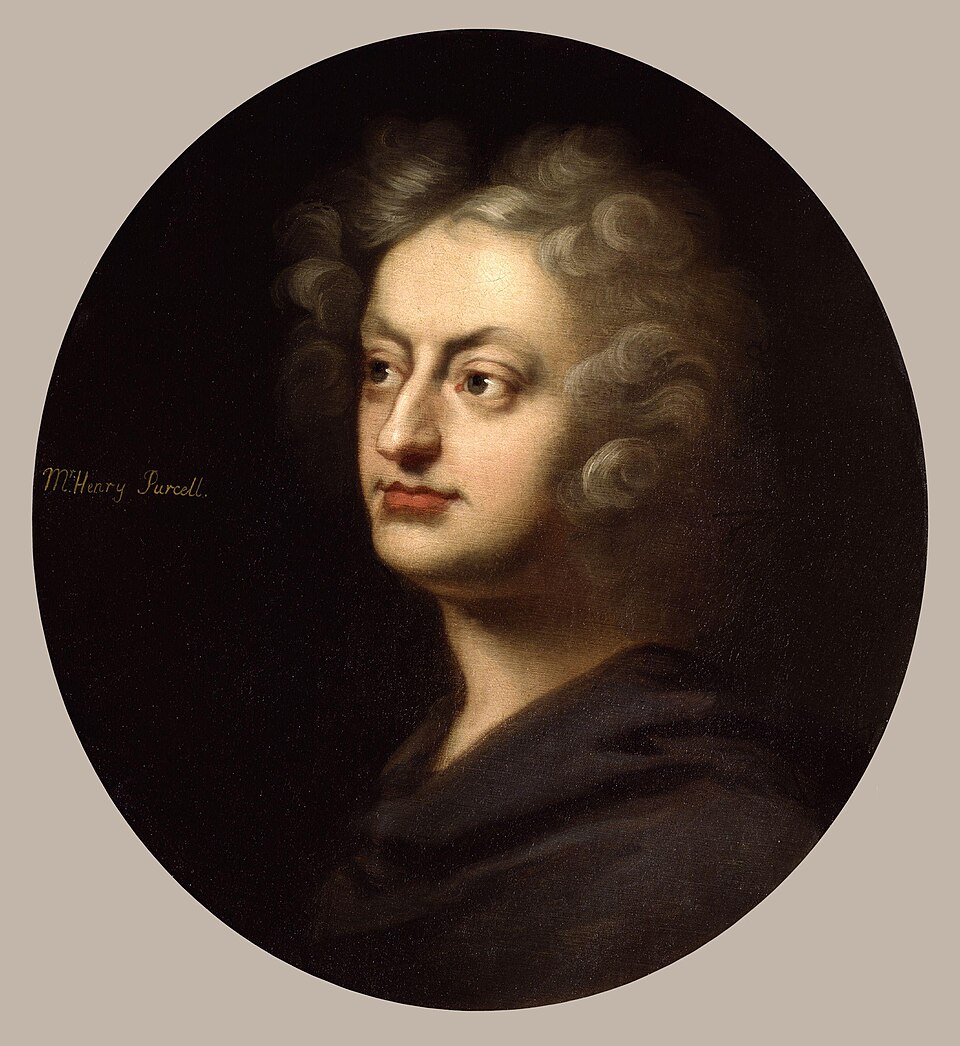
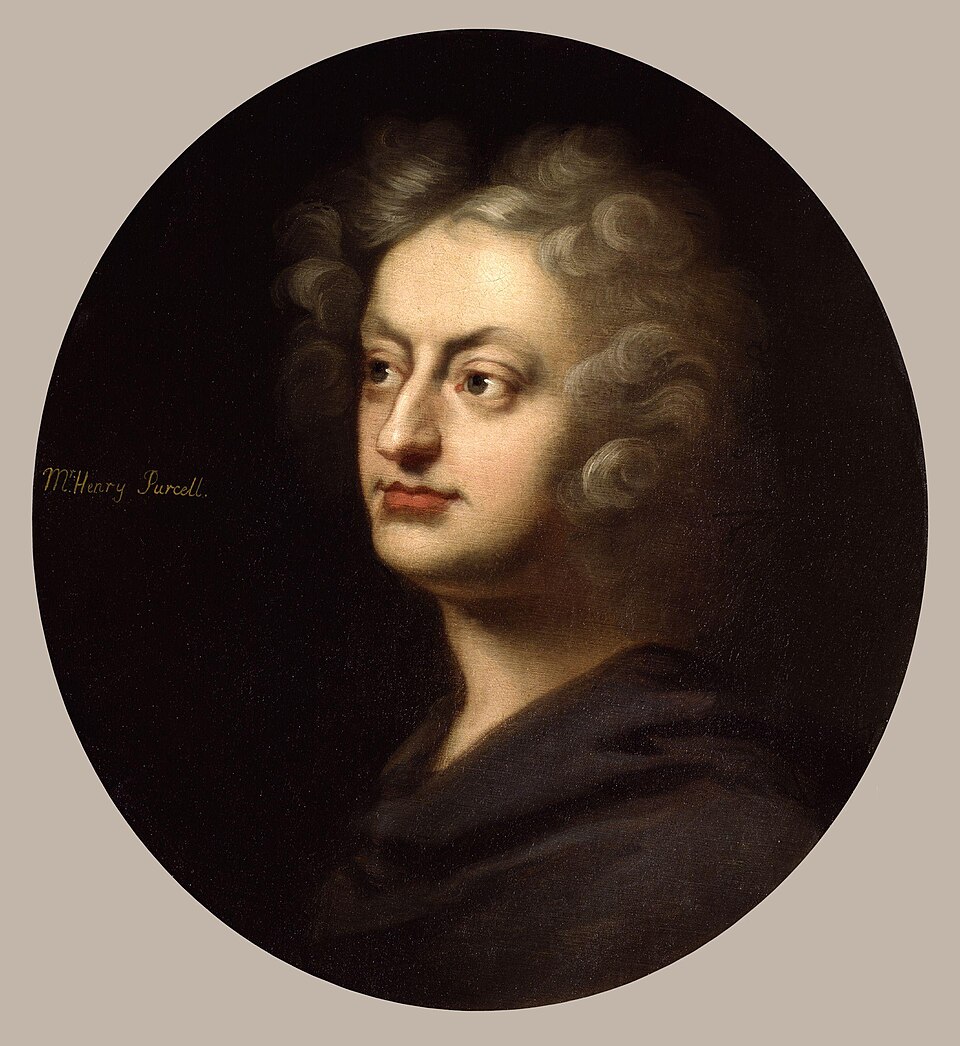
Henry Purcell was the greatest English composer between the age of William Byrd and that of Elgar — a musician of the Westminster choir lofts who, in a life of barely thirty-six years, gave England an opera, a body of church music, and a stage repertoire that no native composer would equal for two centuries. Born in Westminster, London, around September 1659, into a family of court musicians, he grew up within the small, intense musical world of the Restoration court. He sang as a boy in the Chapel Royal under Captain Henry Cooke and then Pelham Humfrey — who had studied in France and brought home the manner of Lully — and on Humfrey’s death continued under John Blow.
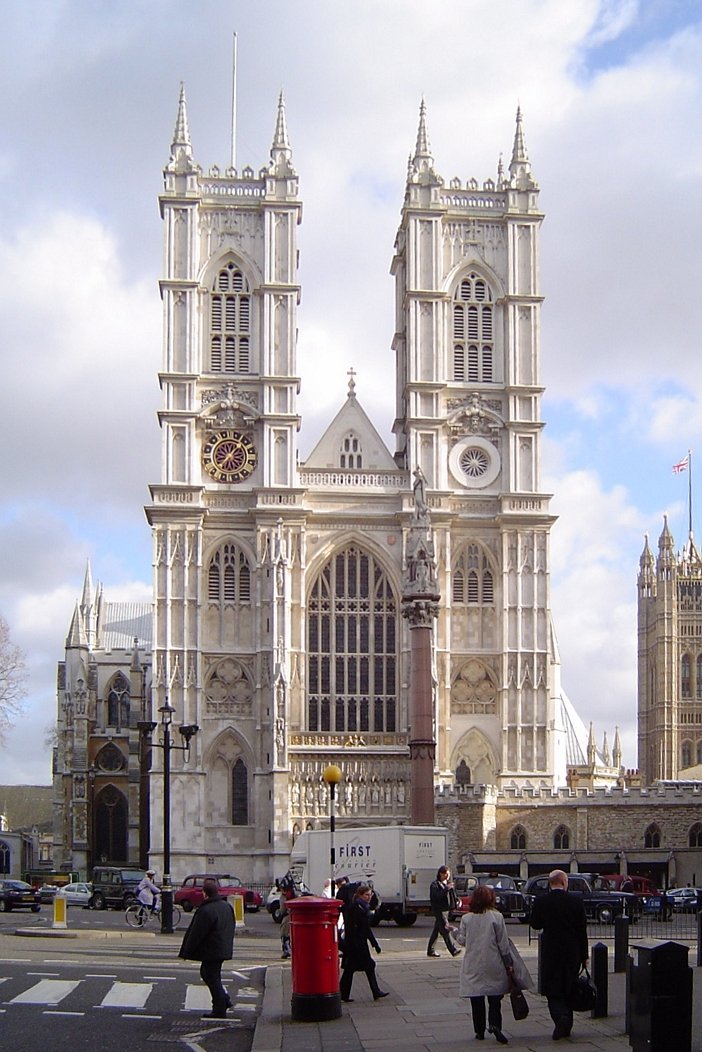
His rise was extraordinarily quick. He became a copyist at Westminster Abbey in 1676, and in 1679, at about twenty, succeeded his teacher Blow as the Abbey’s organist — Blow, by long tradition, stepping aside to make way for his gifted pupil. In 1682 he was sworn an organist of the Chapel Royal, holding both posts at once and serving in turn Charles II, James II and the joint monarchs William and Mary.
Servant of the court and the stage
Purcell’s music followed the rhythm of public life. For the court he wrote ceremonial odes — birthday odes for Queen Mary, the great St Cecilia ode Hail, bright Cecilia (1692) — and for the great occasions of state, anthems of weight and splendour, beginning with the coronation music for James II in 1685. For the church he left a stream of anthems and services still sung in English cathedrals.
But it was the London theatre that drew his richest invention. His chamber opera Dido and Aeneas — given around 1689, to a libretto by Nahum Tate, and crowned by Dido’s lament When I am laid in earth over a descending ground bass — is the first English opera of lasting greatness. To it he added the great semi-operas King Arthur (1691), with Dryden, and The Fairy-Queen (1692), after Shakespeare’s A Midsummer Night’s Dream. From this theatre world come the brisk fanfare tunes — the Trumpet Tune and the rondeau from Abdelazer — that remain his most recognised music.
At the keyboard
For all that he sat daily at the Abbey organ, Purcell left only a small body of keyboard music — but it is music of great charm. His harpsichord suites are short and unpretentious: a prelude, then dances in the plain English manner, with none of the elaboration of the French clavecinistes. Most of them reached print only after his death, when his widow Frances Purcell gathered them as A Choice Collection of Lessons for the Harpsichord or Spinnet in 1696.
His surest hand at the keyboard, as everywhere, was in writing over a ground bass — a short pattern repeated in the bass while the music above it is endlessly renewed. The keyboard grounds, like A New Ground in E minor, distil into a few pages the technique that powers Dido’s lament. For the organ he left a handful of voluntaries, modest pieces for the English service in the unshowy tradition that ran on through John Blow to John Stanley and William Boyce.
“Gone to that blessed place”
Purcell died at his house in Westminster on 21 November 1695, still in his thirties, and was buried in Westminster Abbey beside the organ he had played. His epitaph, on a pillar near his grave, became one of the most quoted in English music:
Here lyes Henry Purcell Esq., who left this life and is gone to that blessed place where only his harmony can be exceeded.
— epitaph in Westminster Abbey, 1695
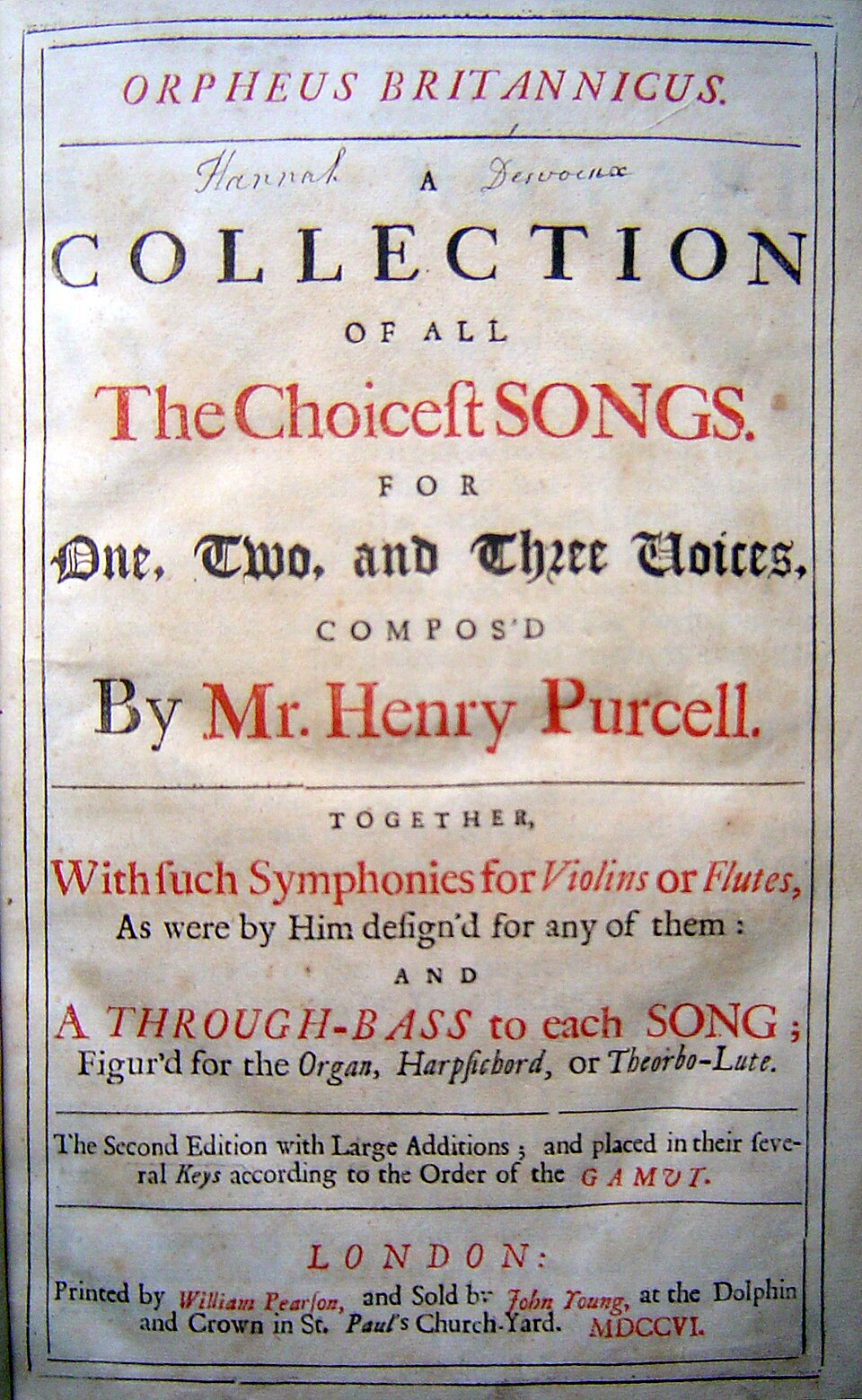
His teacher John Blow resumed the Abbey post he had once vacated for his pupil, and wrote An Ode, on the Death of Mr Henry Purcell to words by Dryden. In 1698 Frances Purcell published Orpheus Britannicus, the great collection of his songs — its title proclaiming him the English Orpheus, the name by which his countrymen would remember him.