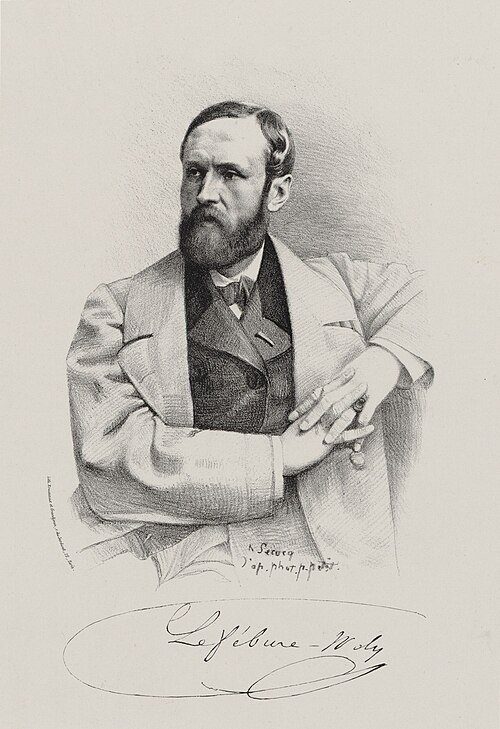

A guide to
Louis James Alfred Lefébure-Wély
Paris 1817 — Paris 1869
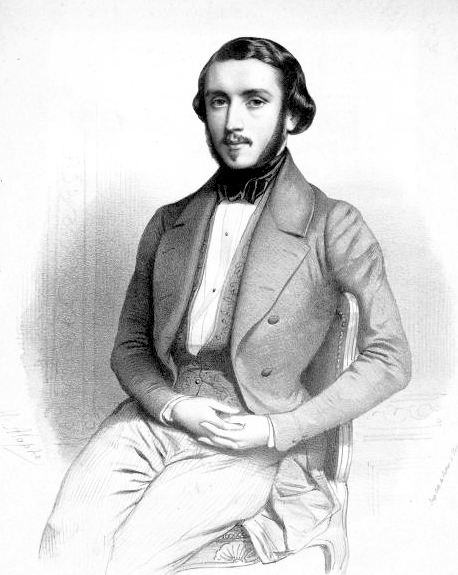
Alfred Lefébure-Wély was the organist of the Second Empire — the most fashionable, the most fêted, and to his critics the most exasperating player in Paris. He held in turn the lofts of three great churches, Saint-Roch, La Madeleine and finally Saint-Sulpice with its colossal Cavaillé-Coll organ; he was the favourite inaugural performer of the builder Aristide Cavaillé-Coll; and he played the great new symphonic organs of France not as instruments of austere devotion but as one-man orchestras for an audience that wanted melody, drama and a thrilling exit. He divides opinion still. Camille Saint-Saëns, his own successor at the Madeleine, summed up the paradox: Lefébure-Wély, he wrote, “was a wonderful improviser … but he left only a few unimportant compositions for the organ.”
He was born in Paris on 13 November 1817, the son of the organist of Saint-Roch, and was a prodigy of the most spectacular kind. A surviving manuscript note records that at the age of eight, on Easter Tuesday 1826, he played his father’s unpublished Mass at Saint-Roch with an “extraordinary presence” that astonished the congregation. When his father died in 1831, the fourteen-year-old simply succeeded him at the console. The following year he entered the Conservatoire under François Benoist, taking the organ first prize in 1835.
Cavaillé-Coll’s favourite player
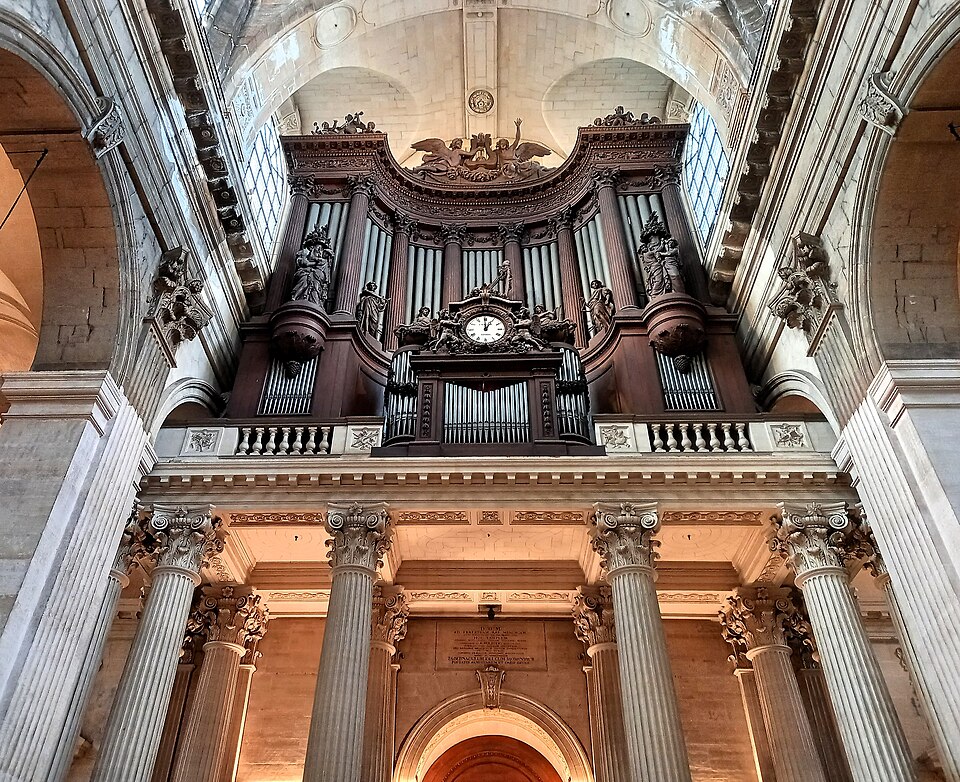
From 1838 onward Lefébure-Wély formed a long partnership with Aristide Cavaillé-Coll, the genius who was rebuilding the French organ into the rich, orchestral orgue symphonique. Lefébure-Wély became the builder’s preferred man to inaugurate his new instruments, and through those public demonstrations he did much to establish the very style the new organs invited. He could draw orchestral colour from them as no one else, and he was not shy of where it led: as early as 1842, at the new Saint-Roch organ, he scandalised the purists by improvising a fantasia on themes from Meyerbeer’s opera Robert le diable in church.
That instinct for theatre carried his whole career. He moved to La Madeleine in 1847, was decorated with the Légion d’honneur in 1850, and in 1863 took the most coveted loft in Paris, Saint-Sulpice, where Cavaillé-Coll had just built the largest organ in France. There he reigned until his death, the supreme entertainer-organist of the age — a protégé of the aristocracy who performed in the bourgeois salons with his singer wife and pianist daughters, and who, the composer Adolphe Adam declared, was “the most skilful artist I know.”
The melodist and the recessional
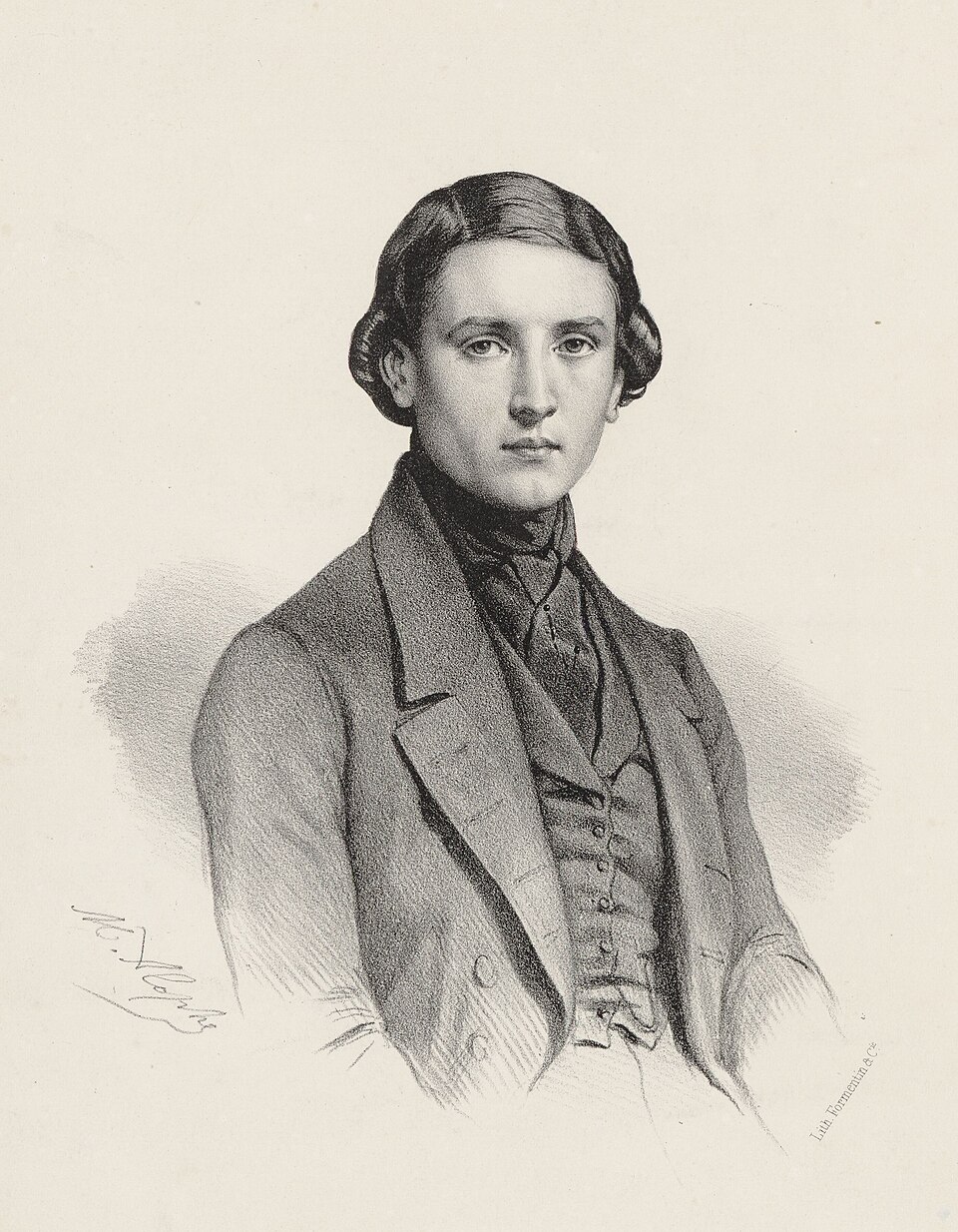
He wrote some two hundred works, and the best loved of them are exactly the pieces the serious tradition distrusted: charming, picturesque, immediate. Les cloches du monastère (“The Monastery Bells,” Op. 54) — a sweet idyll over a tolling bell figure — became a salon favourite around the world. The Boléro de concert, Op. 166 (1865), brought the dance and the opera house into the organ loft. And his bright, festive sorties — the recessionals that send a congregation out smiling — defined a whole genre of cheerful French exit music. His late practical collections, L’Organiste moderne and the Vade-mecum de l’organiste, set down in print the kind of music he improvised Sunday after Sunday at Saint-Sulpice.
Not everyone approved. A reviewer in La France musicale praised his skill but urged him toward a “more serious” manner; he ignored the advice and kept playing what the public wanted. He could be trusted with grave occasions too — in 1849 he was put in charge of the music for Chopin’s funeral, transcribing the composer’s piano works for the organ. He was also the dedicatee of Charles-Valentin Alkan’s pedal studies and of César Franck’s Final in B-flat, Op. 21 — a reminder that the serious musicians of his day respected the player even when they doubted the composer.
A divided legacy
Lefébure-Wély died in Paris on 31 December 1869, aged fifty-two. His funeral drew the musical establishment, and Ambroise Thomas delivered the eulogy, declaring that he “has taken his place among the most eminent organists.” He was buried at Père Lachaise beneath a tomb designed by the architect of the Madeleine’s neighbour, Victor Baltard.
His reputation has see-sawed ever since. To the school of Franck and Widor, who turned the symphonic organ toward high seriousness, he was a frivolous embarrassment — the man who played operatic potpourris at Mass. Yet his pieces never left the repertory, and a later age, less anxious about the dignity of the organ, has come to enjoy them on their own terms: the irrepressible melodist who, more than anyone, taught the great new French organs how to charm.