Musical Europe · The virginal book · chapel · concert room
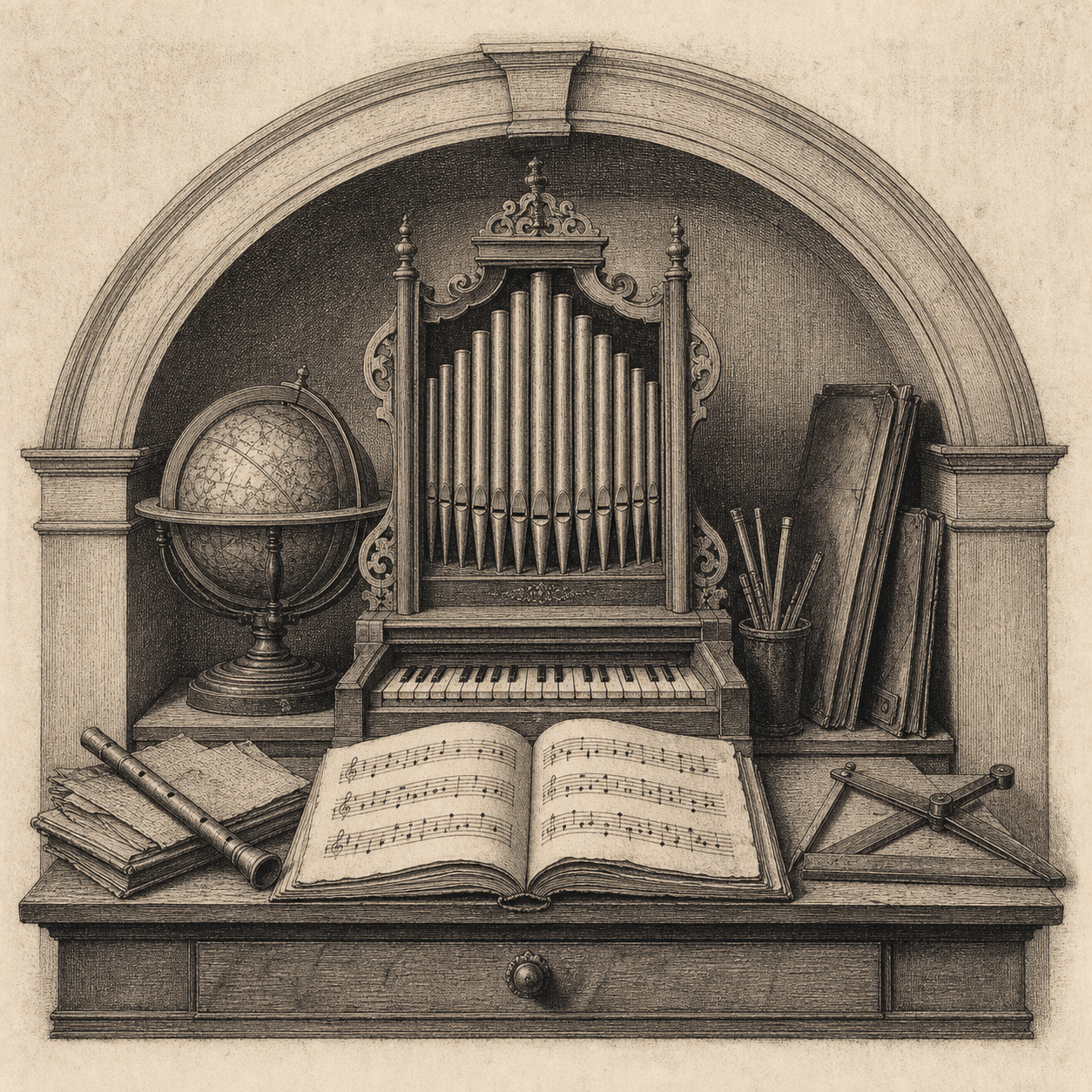
From private keyboards to the English voluntary
Manuscripts, dances and the changing life of the organ
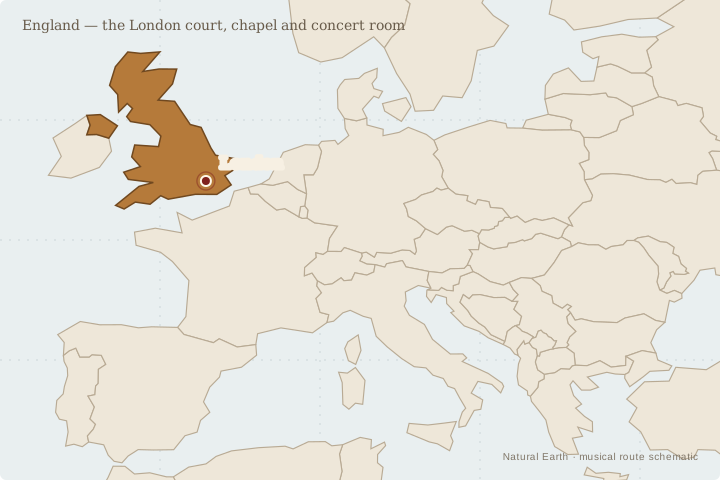
The English journey belongs to both small domestic keyboards and public organs. The surviving record is unusually searchable through a national scholarly register.
11 linked composers · 368 playable or downloadable scores
Composers through time
Half-century groups use the midpoint of each composer's recorded lifespan as an orientation, not a composition date. Within each group: earliest birth first.
1500–1549
1550–1599
1600–1649
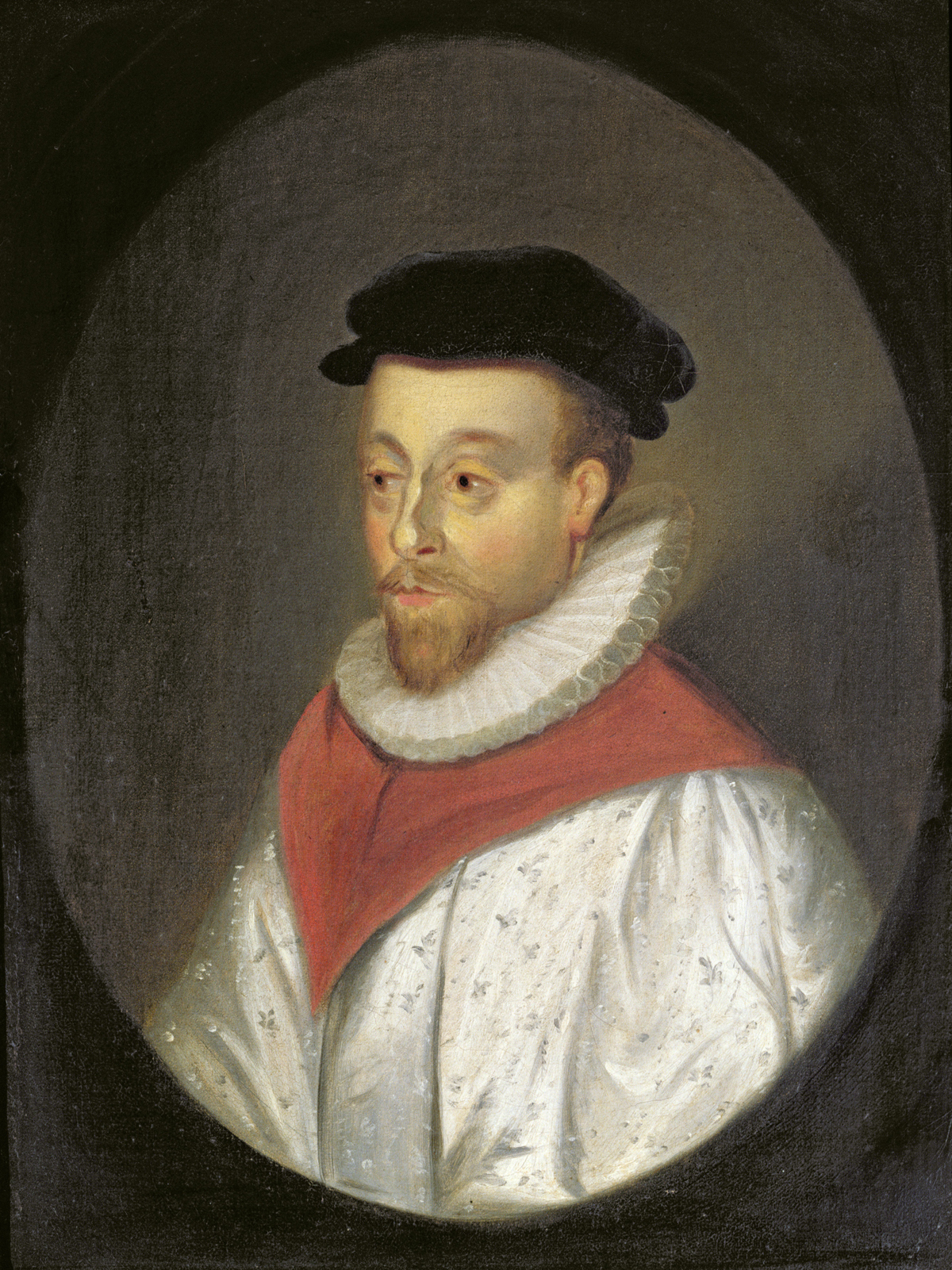
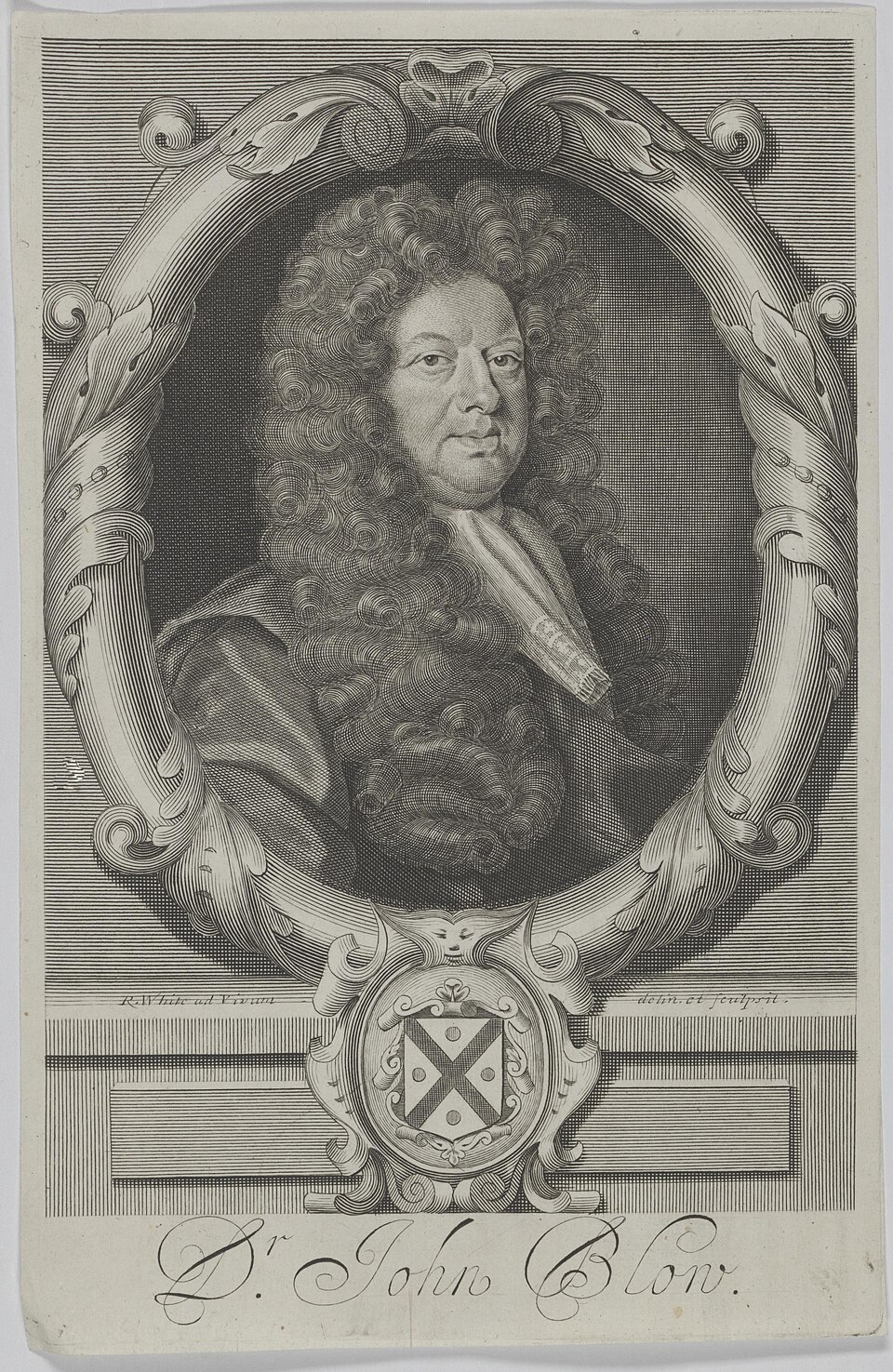
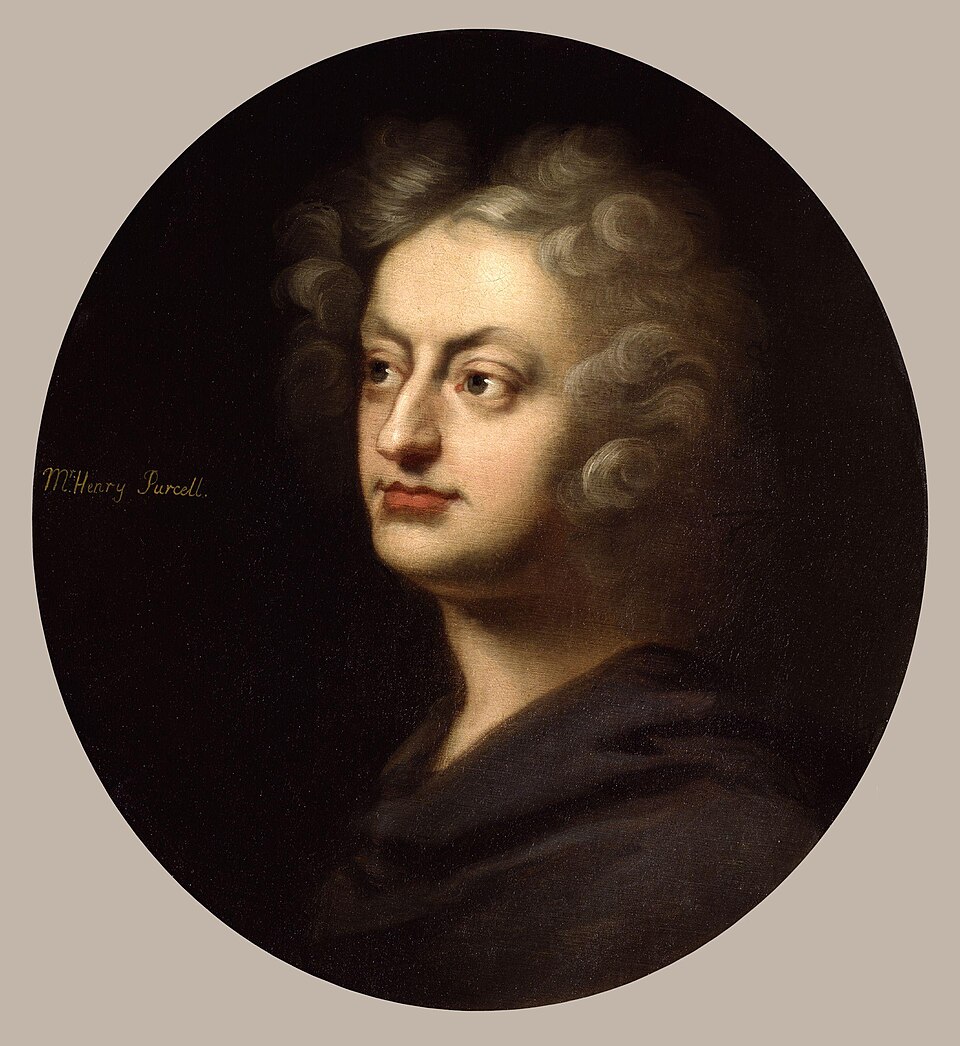
1650–1699
1700–1749
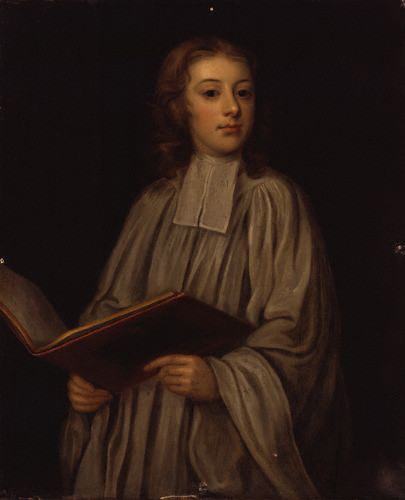
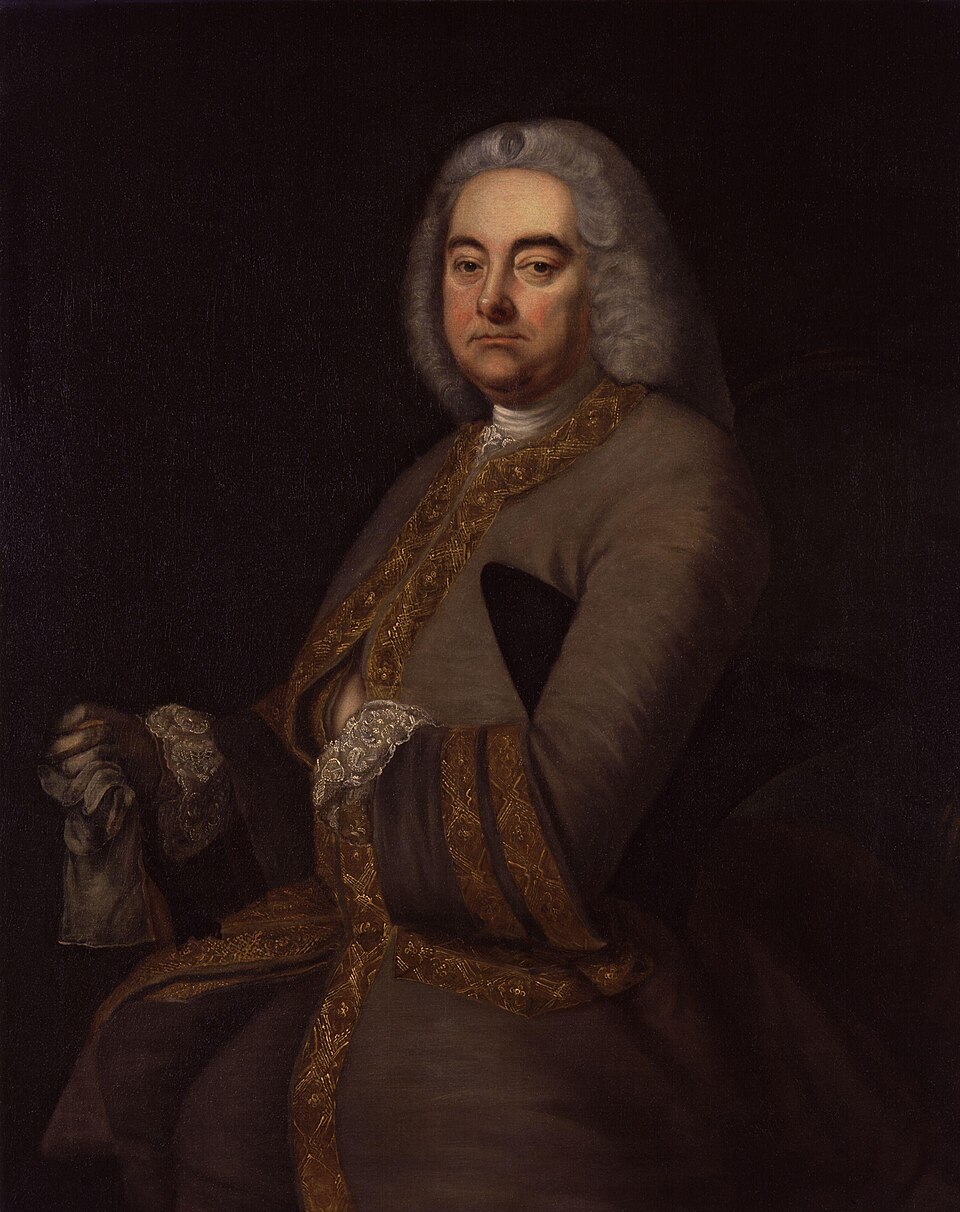
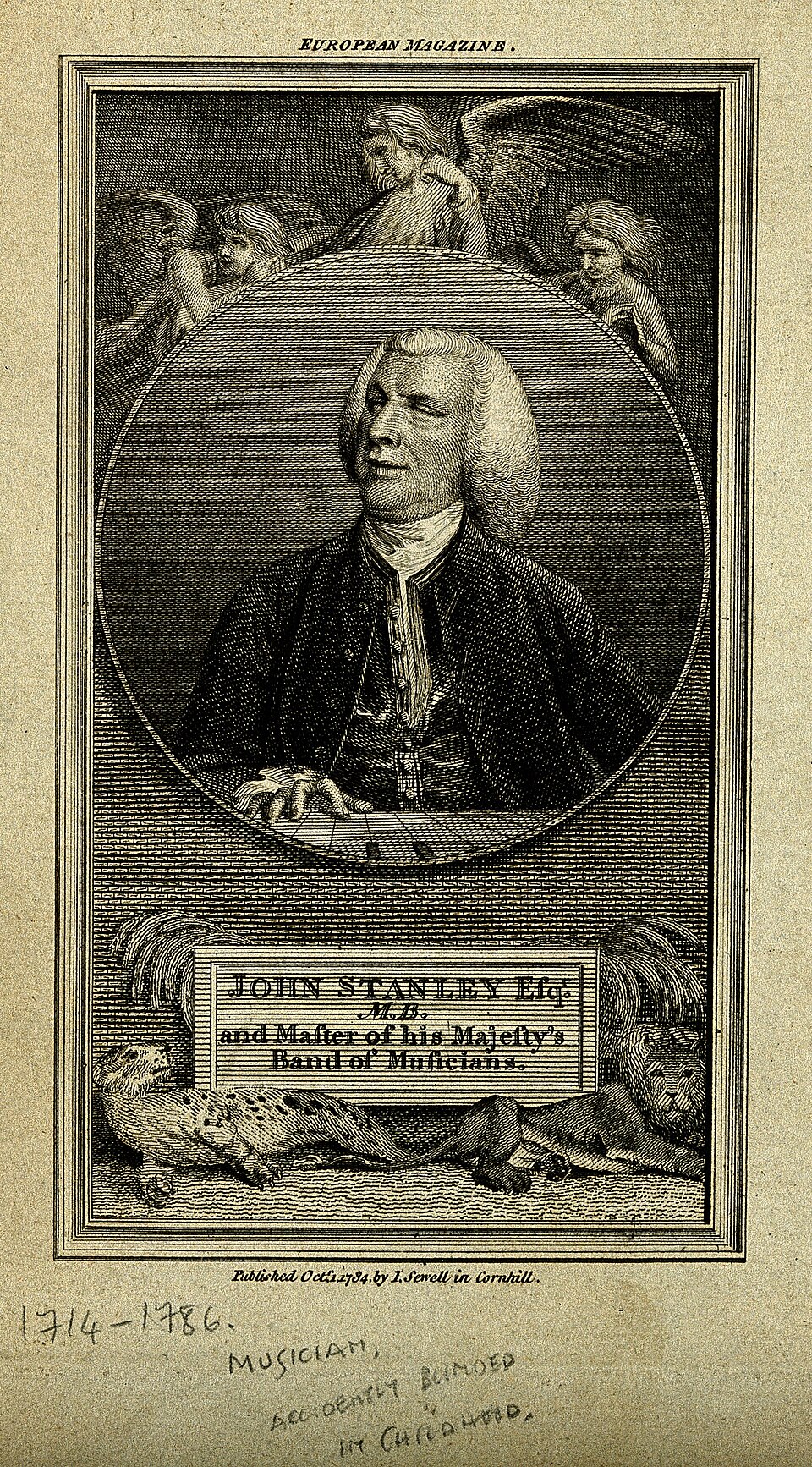
Stories, places & programmes
Open a chapter to follow the story or play a short programme.
The age of the virginalists · Elizabethan and Jacobean England
Elizabethan and Jacobean England
The age of the virginalists
Byrd, Bull, Gibbons and Tomkins treated the keyboard as an orchestra in miniature. Grounds, pavans, galliards, fantasias and variation sets reveal a school at once contrapuntal and brilliantly tactile; the surviving manuscripts preserve both celebrated and obscure voices.
Play this room5 scores chosen as a miniature recitalRestoration sound · London after 1660
London after 1660
Restoration sound
After the Restoration, the musical institutions of court, chapel and theatre were rebuilt. Blow and Purcell wrote keyboard music within a broader world of stage and sacred music, while the voluntary developed as a flexible form for organists.
Play this room3 scores chosen as a miniature recitalThe organ meets its public · Eighteenth-century London
Eighteenth-century London
The organ meets its public
Organs increasingly sounded beyond the liturgy—in concert rooms, gardens and charitable institutions. John Stanley's voluntaries belong to this public culture and preserve the contrast between a slow opening and a more animated second movement.
Play this room3 scores chosen as a miniature recitalThe instrument room · builders and surviving instruments
The objects behind the music
The English journey belongs to both small domestic keyboards and public organs. The surviving record is unusually searchable through a national scholarly register.
Britain · living register
31,000 organ records
Continue into the archives
Find an instrument or builder
External registers are linked for research; their text and photographs are not copied here. Instrument records change as restorations and scholarship advance.