Musical Europe · Copenhagen · Bergen · Stockholm · Helsinki
The Northern Loft
Organ lofts, conservatories and national voices from Roskilde to Helsinki
Nordic organs survive in unusual numbers: a ducal chamber instrument of 1610, Renaissance cathedral cases, and Swedish baroque work largely intact. Their tunings, pitch and wooden pipework record what northern players heard long before the romantic organ arrived.
11 linked composers · 249 playable or downloadable scores
Composers through time
Half-century groups use the midpoint of each composer's recorded lifespan as an orientation, not a composition date. Within each group: earliest birth first.
1800–1849
1850–1899
1900–1949
Stories, places & programmes
Open a chapter to follow the story or play a short programme.
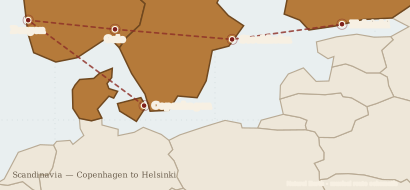
The Copenhagen Circuit · Copenhagen · Roskilde · c. 1830–1900
Copenhagen · Roskilde · c. 1830–1900
The Copenhagen Circuit
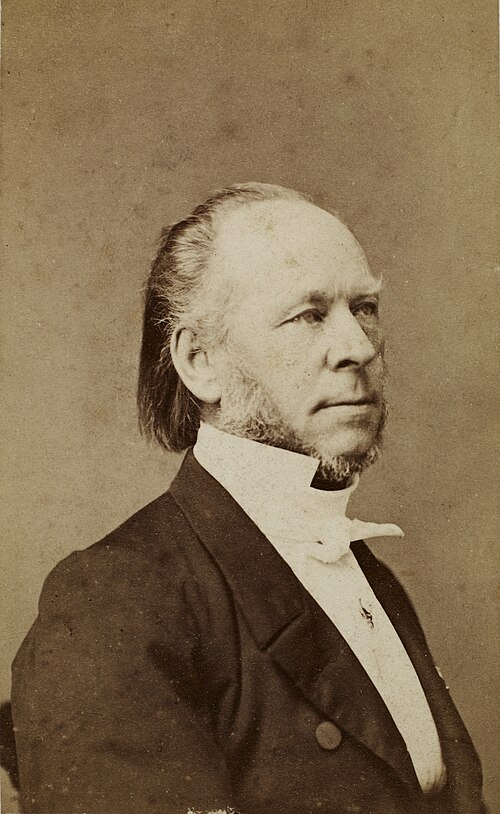
Copenhagen's church lofts and its conservatory formed one circuit. J.P.E. Hartmann moved from Garnisons Kirke to the cathedral, Vor Frue Kirke, in 1843; Niels W. Gade, after Leipzig years beside Mendelssohn at the Gewandhaus, became organist of Holmens Kirke in 1858 and guided the conservatory founded in 1867. At Roskilde, Hans Matthison-Hansen served the old cathedral organ from 1832. His son Gottfred taught organ in Copenhagen and, as organist of Trinitatis from 1881, gave the recital series that introduced new French and German organ music there; Krygell studied with him, while Malling, a pupil of Gade and Hartmann, became cathedral organist in 1900.
Play this room5 scores chosen as a miniature recitalBergen and Stockholm · Bergen · Stockholm · c. 1860–1955
Bergen · Stockholm · c. 1860–1955
Bergen and Stockholm
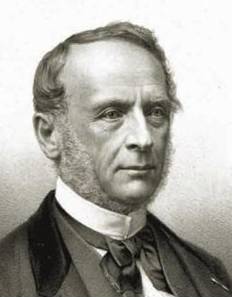
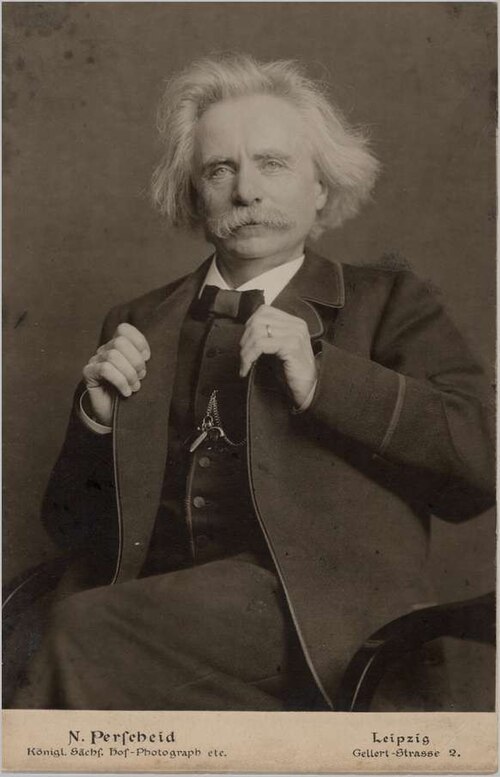
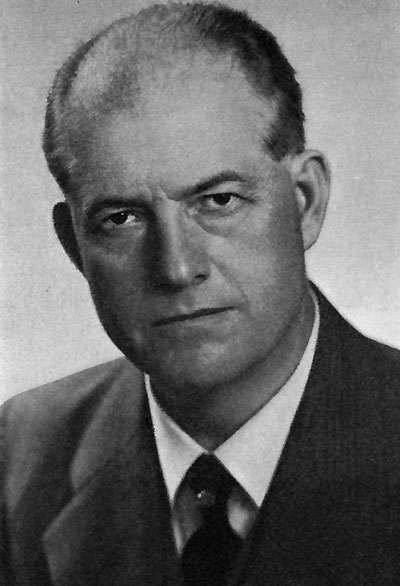
Away from Copenhagen the idiom turned towards landscape and song. Edvard Grieg, Leipzig-trained and briefly drawn into Gade's Copenhagen circle, settled at Bergen, conducted Harmonien in the early 1880s, and built a piano style from Norwegian dance rhythms and modal turns. In Stockholm, Emil Sjögren, organist of S:t Johannes from the early 1890s, wrote songs and violin sonatas of French leaning and was admired for his improvising. Oskar Lindberg, first organist of the new Engelbrekt church from 1914 until his death in 1955, worked close to hymn tune and liturgy.
Play this room3 scores chosen as a miniature recitalThe Finnish Awakening · Helsinki · Viipuri · c. 1885–1918
Helsinki · Viipuri · c. 1885–1918
The Finnish Awakening
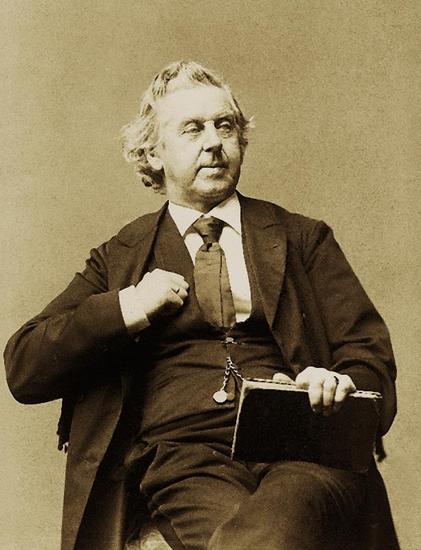
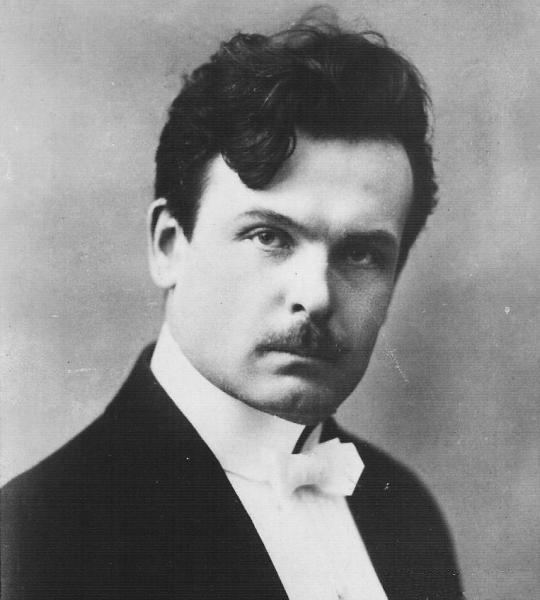
In Finland church music became public music. Oskar Merikanto, trained in Leipzig and Berlin, was organist of St John's Church in Helsinki, toured as a recitalist, wrote many solo songs, and in Pohjan neiti, composed in 1898 and first staged at Viipuri in 1908, wrote the first opera to a Finnish text; his organ pieces stayed in wide parish use. Toivo Kuula, Sibelius's first composition pupil and later a student in Bologna, Leipzig and Paris, worked from Ostrobothnian folk material before he was shot in Viipuri in 1918, aged thirty-four.
Play this room3 scores chosen as a miniature recitalThe instrument room · builders and surviving instruments
The objects behind the music
Nordic organs survive in unusual numbers: a ducal chamber instrument of 1610, Renaissance cathedral cases, and Swedish baroque work largely intact. Their tunings, pitch and wooden pipework record what northern players heard long before the romantic organ arrived.
Hillerød · 1610
The Compenius Organ, Frederiksborg
Lövstabruk · 1728
The Cahman Organ, Lövstabruk
Continue into the archives
Find an instrument or builder
External registers are linked for research; their text and photographs are not copied here. Instrument records change as restorations and scholarship advance.