Musical Europe · Basel · St Gallen · Zurich · Geneva
Tablature, Salon and Cathedral
Keyboard music across the Swiss lands, c. 1510–1955
Swiss instruments cover an unusual span: a late-medieval organ still in playing order above the Rhone valley, a pair of baroque organs still in the abbey church at Muri long after the monastery itself was dissolved, and the country's largest instrument collection, at Basel, rich in historical keyboards.
7 linked composers · 20 playable or downloadable scores
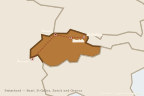
Composers through time
Half-century groups use the midpoint of each composer's recorded lifespan as an orientation, not a composition date. Within each group: earliest birth first.
1500–1549
1800–1849
1850–1899
1900–1949
Stories, places & programmes
Open a chapter to follow the story or play a short programme.
Tablature: Basel, Fribourg and the Bodensee · Basel · Fribourg · Konstanz · St Gallen · c. 1510–1550
Basel · Fribourg · Konstanz · St Gallen · c. 1510–1550
Tablature: Basel, Fribourg and the Bodensee
Swiss keyboard playing first becomes legible in tablature, which sets the treble in staff notation and gives the lower parts as letters with rhythm signs. Hans Kotter, trained by Hofhaimer and organist at Fribourg from 1514, copied three such books for the Basel jurist Bonifacius Amerbach; they gather preludes, dances and intabulated chansons, and passed with the Amerbach collection into the city's keeping. Fridolin Sicher, a pupil of Hans Buchner at Konstanz, assembled at St Gallen a volume of 176 pieces after Hofhaimer, Obrecht and Josquin, while Buchner's Fundamentum set out fingering and the elaboration of plainchant.
_-_Portrait_of_Bonifacius_Amerbach.jpg)
Basel · 1519
The collector behind the keyboard books
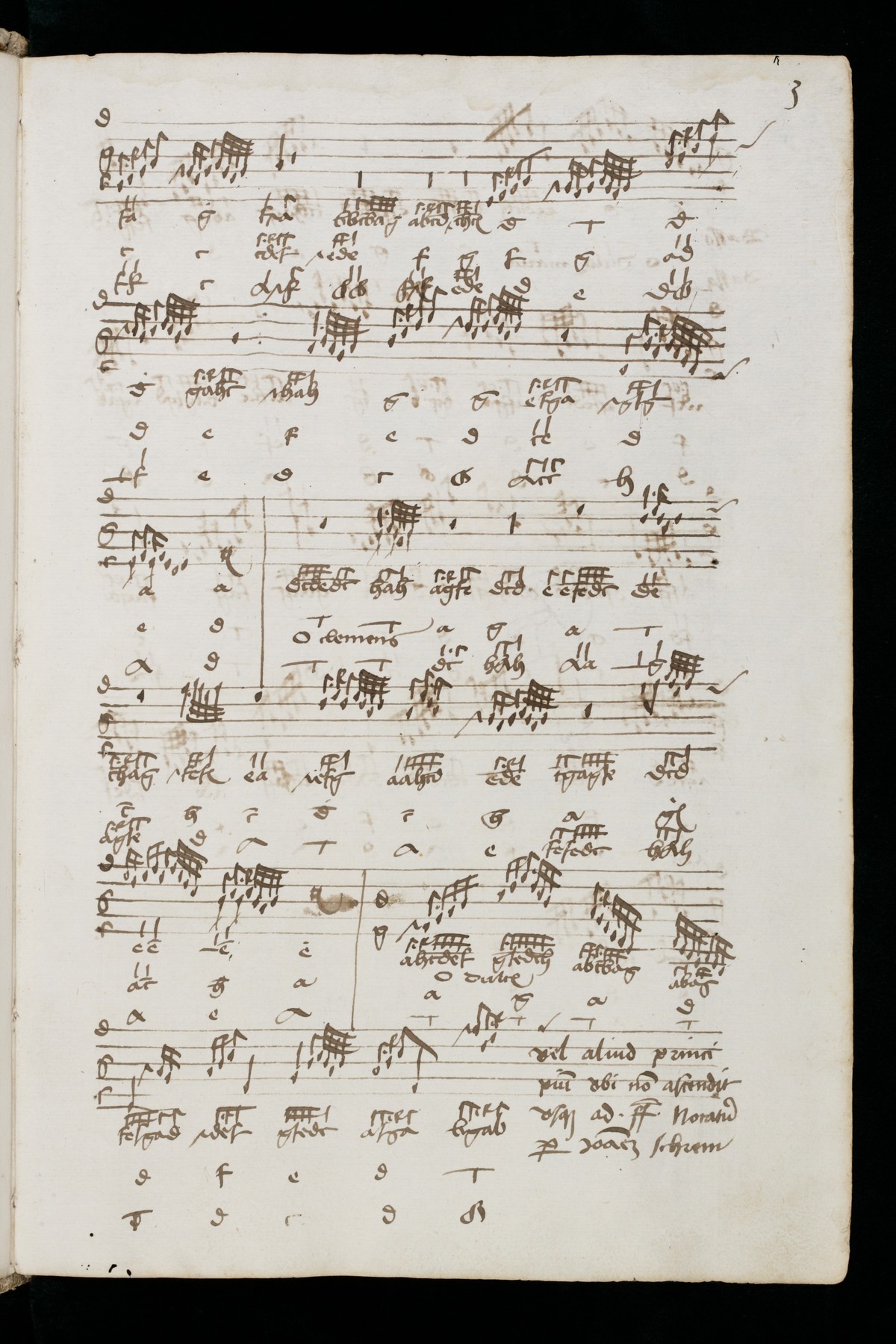
St Gallen · Cod. Sang. 530
A vocal library squeezed beneath ten fingers
The Swiss piano: Geneva and Lachen · Geneva · Lachen · c. 1822–1880
Geneva · Lachen · c. 1822–1880
The Swiss piano: Geneva and Lachen
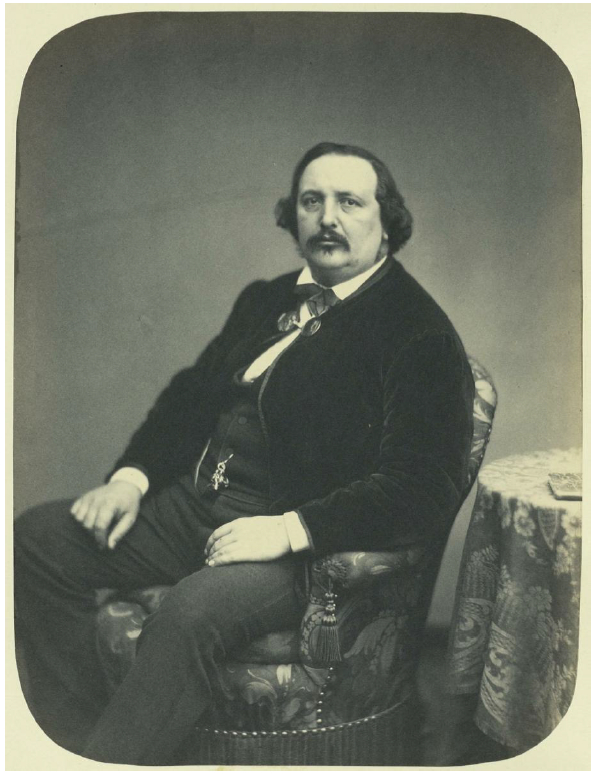
By the nineteenth century the Swiss keyboard is domestic and civic rather than liturgical. Charles Samuel Bovy-Lysberg, born near Geneva in 1821, studied in Paris with Chopin from 1835, settled again near Geneva in 1848 and taught at the Geneva conservatory; his short character pieces were written for the drawing rooms and pupils of the city. Joachim Raff, born at Lachen on Lake Zurich in 1822, went the other way, into Germany, to Liszt at Weimar and finally to the direction of the Hoch Conservatory in Frankfurt; his piano writing is denser, more contrapuntal, and aimed at the concert room.
Play this room3 scores chosen as a miniature recitalSaint-Pierre and after · Geneva · Zurich · Paris · c. 1887–1955
Geneva · Zurich · Paris · c. 1887–1955
Saint-Pierre and after
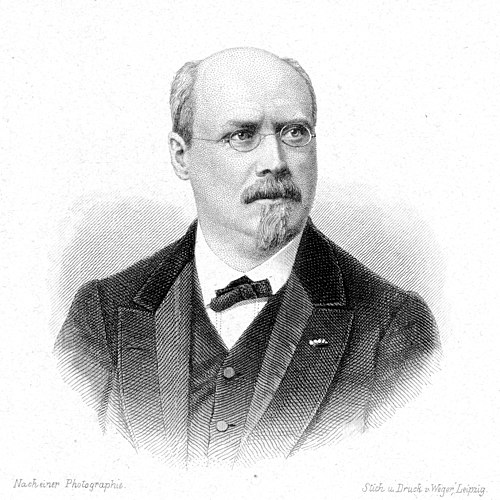
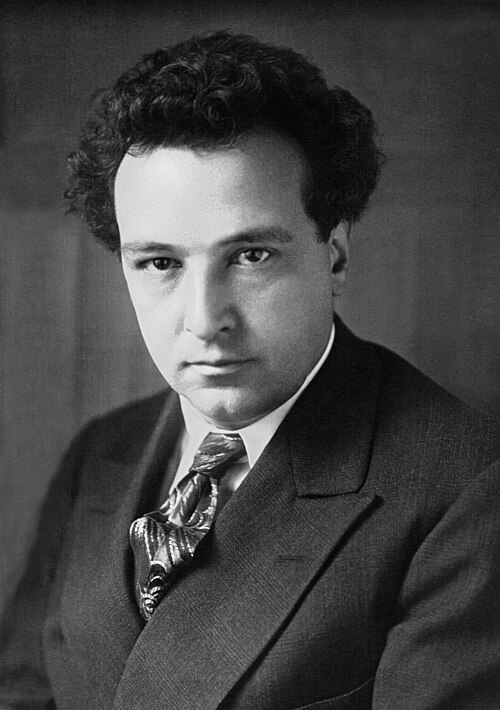
Otto Barblan, born in the Engadine in 1860, came to Geneva in 1887 as organist of the cathedral of Saint-Pierre and held the post for fifty-five years, teaching organ and composition at the conservatory from 1888 and directing the Société de chant sacré from 1892. His organ music is deliberately retrospective, built on Bachian counterpoint and on passacaglia thinking, and coloured by Romansh melody. Against that Geneva school stands Arthur Honegger — Swiss by parentage though born at Le Havre in 1892 — who studied at Zurich before Paris and Les Six, and whose terse, linear keyboard writing owes nothing to the organ loft.

Sion · c. 1435–1437
A medieval organ that still answers
The instrument room · builders and surviving instruments
The objects behind the music
Swiss instruments cover an unusual span: a late-medieval organ still in playing order above the Rhone valley, a pair of baroque organs still in the abbey church at Muri long after the monastery itself was dissolved, and the country's largest instrument collection, at Basel, rich in historical keyboards.
Sion · c. 1435–1437
The organ of the basilica of Valère
Muri · 1743
The Bossart choir organs at Muri
Continue into the archives
Find an instrument or builder
External registers are linked for research; their text and photographs are not copied here. Instrument records change as restorations and scholarship advance.